Chronology by Place
Ten Years, Five Places
Van Gogh painted for roughly ten years and moved five times, and the moves are visible in the paint. The palette that leaves Nuenen brown comes back from Paris bright; the brushwork that is flat in Arles turns into a coil in Saint-Remy. Grouping the work by place and year keeps those changes in view. The dates here come from the catalogue entry for each painting, not from what the title happens to mention — a canvas called for its sunflowers can belong to a year on the other side of a move.
Chronology · 1 of 5
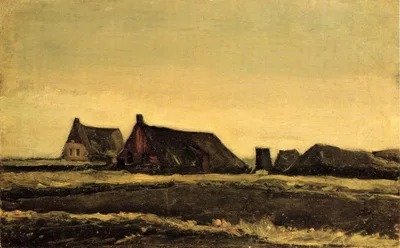
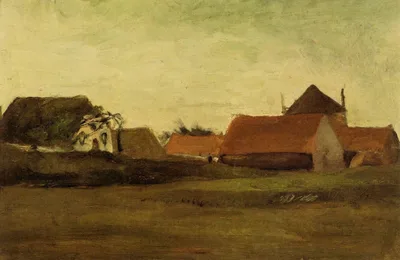
Nuenen, 1883–1885
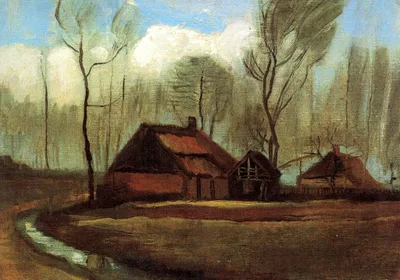
Weavers at the loom, peasant heads and the potato eaters: earth tones, thick shadow, almost no colour.
Two years in his parents' village in Brabant, painting weavers at their looms and the heads of the people who worked the land. The palette is earth: bitumen, brown, a green that reads almost black. He wanted the pictures to look like the colour of a dusty potato, and said so. The Potato Eaters comes out of this stretch and is the summary of it.
Chronology · 2 of 5
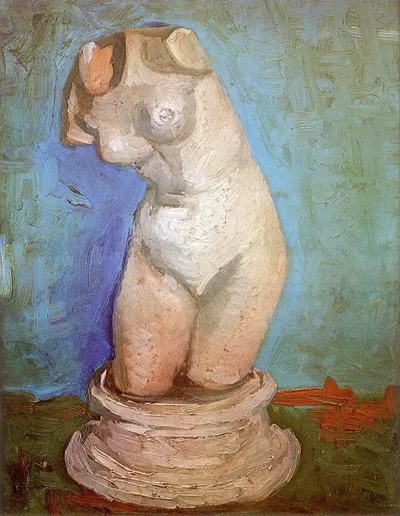
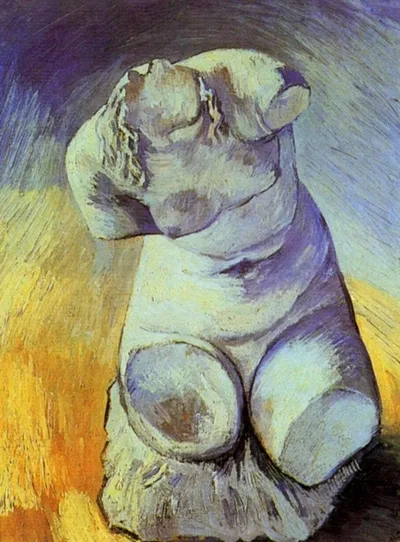
Paris, 1886–1887
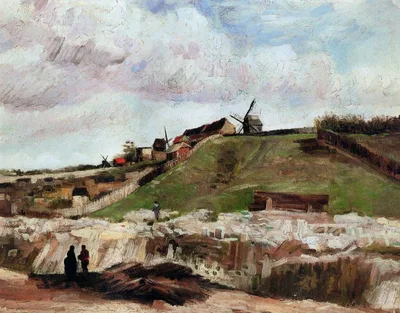
Montmartre, Asnières and the Seine — two years of impressionist company that took the brown out of the palette.
Two years living with his brother Theo, and the only period in which he was surrounded by other painters. He saw impressionist colour and Japanese prints at close range, painted Montmartre and the river at Asnieres, and used flowers and his own face as the cheapest available way to practise. The brown leaves the palette here and does not come back.
Chronology · 3 of 5
Arles, 1888
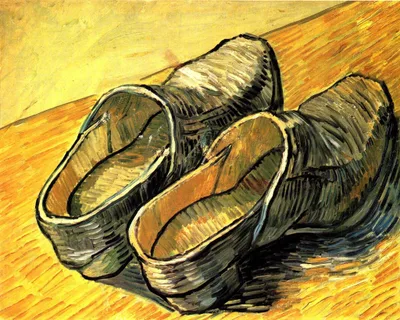
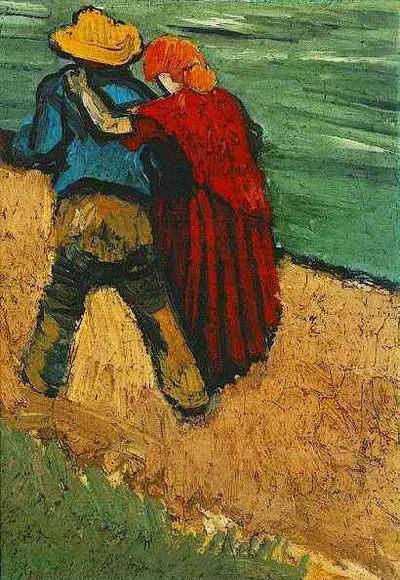
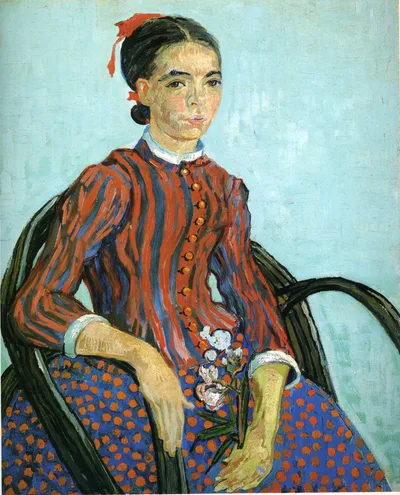
The yellow house, the sunflowers, the night café and the orchards: the year the colour arrives at full strength.
The year the colour arrives at full strength. He rented the yellow house, painted the orchards in blossom, the harvest, the night cafe, the postman's family and the sunflowers meant to decorate the room he was preparing for Gauguin. It is the most productive twelve months of his life and it ends in the December of the crisis.
Chronology · 4 of 5
Saint-Rémy, 1889
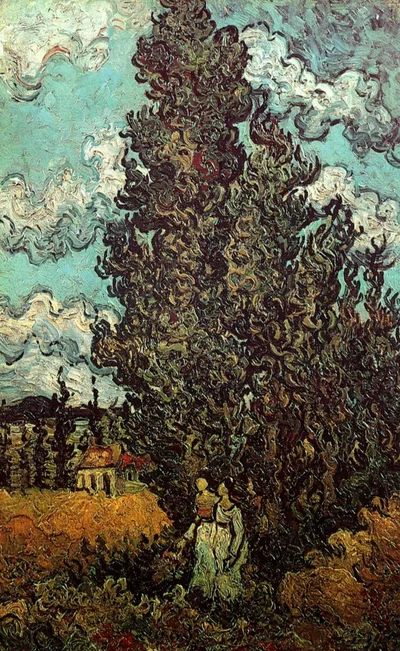
Painted from inside an asylum: cypresses, olive groves, irises and the sky of The Starry Night.
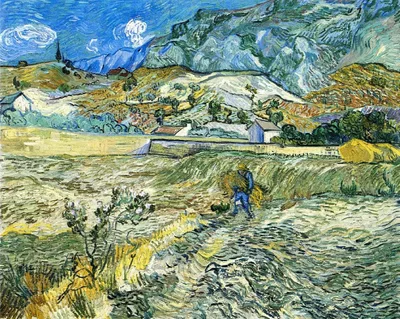
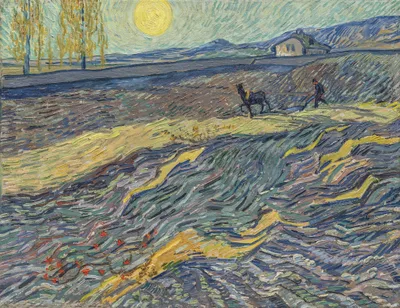
Painted from inside the asylum of Saint-Paul-de-Mausole and from the walled garden and fields he was allowed into. The subjects narrow — cypresses, olive groves, irises, the view from the window — and the brushwork tightens into the coiling stroke that most people picture when they picture him. The Starry Night belongs to this year.
Chronology · 5 of 5
Auvers-sur-Oise, 1890
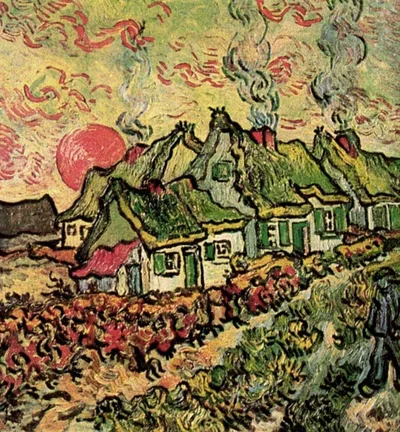
Seventy days and about as many canvases: the church, Doctor Gachet, the thatched roofs and the crows.
About seventy days in a village north of Paris, under the eye of Doctor Gachet, and roughly as many canvases: the church, the thatched roofs, the portrait of Gachet, the double-square wheatfields. He arrived in May and died in July. Nothing about the pictures suggests a man slowing down, which is why the sequence is argued over.