
Guide
How Much Is Van Gogh's Irises Worth? Every Price It Fetched
A 600-franc sale in 1891, a world record in 1987 and a private deal in 1990 that nobody has ever priced
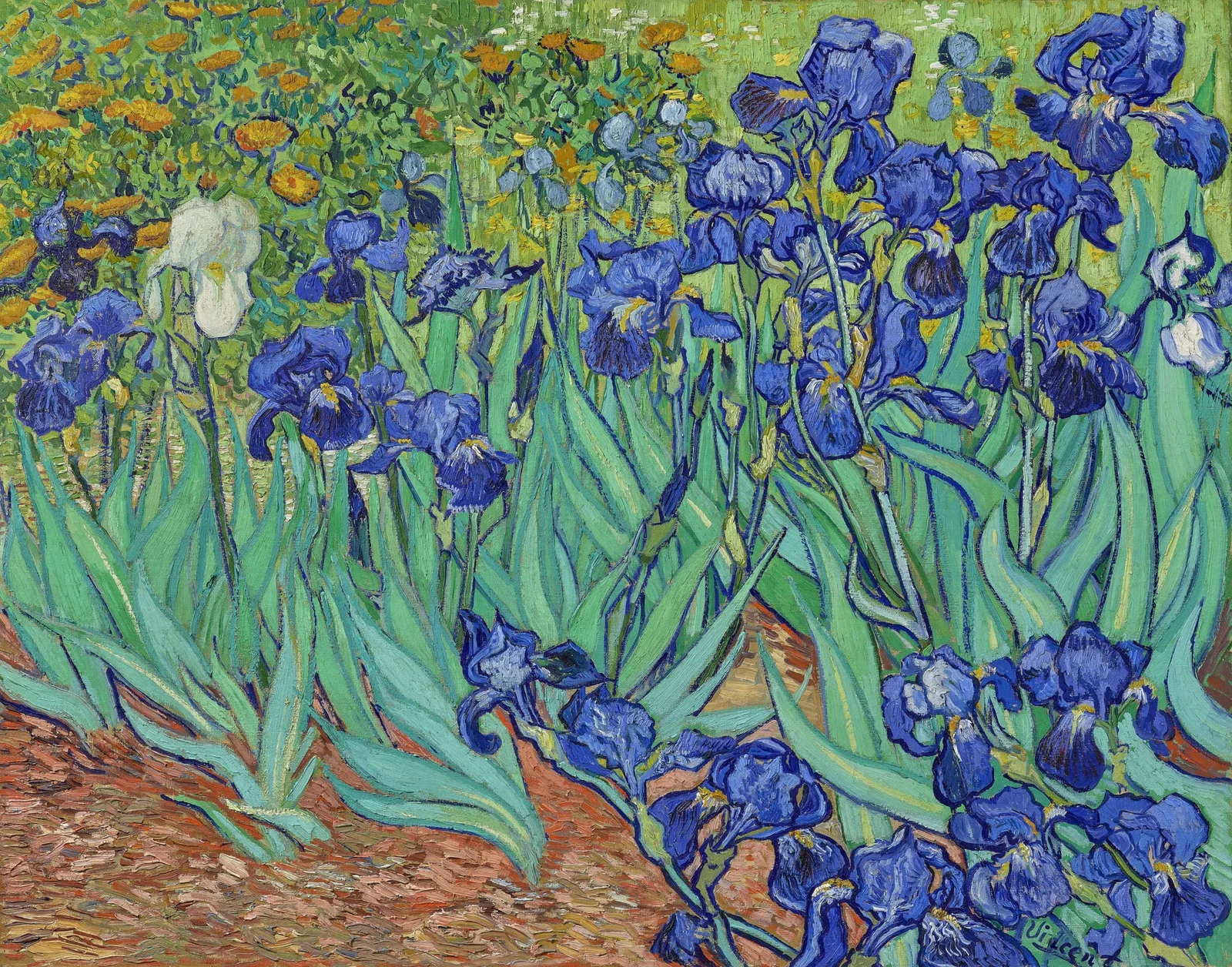
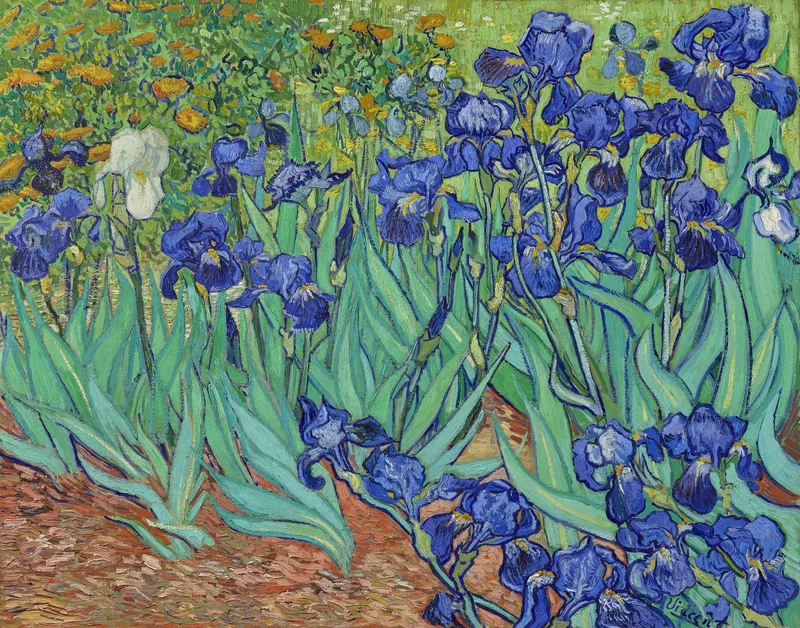
Van Gogh's Irises sold for $53.9 million at Sotheby's in New York on November 11, 1987, then the highest price ever paid for an artwork at auction [2][5]. That's about $160 million in today's money [5]. Since 1990 it has belonged to the J. Paul Getty Museum, which has never disclosed what it paid [5].
How much did Irises sell for in 1987?
Irises was lot 25 in Sotheby's sale of Impressionist and Modern Paintings and Sculpture, Part I, in New York on November 11, 1987 [1]. The auctioneer, John L. Marion, opened the bidding at $15 million, and bids rose in $1 million steps between two telephones while about 2,200 people watched in the room and on closed-circuit television [2]. The hammer fell at $49 million, and the buyer's 10 percent commission brought the price to $53.9 million [2].
The seller, John Whitney Payson, said he had never dreamed his favorite painting would sell for more than $34 million [2]. The sale came less than a month after the Wall Street crash of October 19, 1987, and the price became the benchmark most often cited as proof that art had weathered the crisis [3]. It also topped the $39.9 million paid that March for a Sunflowers, a story told in what the Sunflowers are worth [2].
Who bought Irises, and why was the price questioned?
At first the buyer went unnamed: the winning phone bid came from a European agent of an unidentified collector [2]. Then, three days before Christmas 1988, the Australian financier Alan Bond called a press conference in his penthouse office in Perth to announce that he was the mystery buyer [3].
In October 1989 Sotheby's confirmed that it had lent Bond about half the price, roughly $27 million, and that it was keeping the painting in an undisclosed place until he paid off the rest [3]. Dealers were uneasy. “Now there is this suspicion that it was a manipulated sale,” the New York dealer David Tunick told The New York Times [3]. By January 1990 Irises was back on the market, and Sotheby's said it would no longer take a work as collateral until it had been paid for and owned for 90 days or more [4].
What did the Getty pay for Irises?
Nobody outside the deal knows. The Getty's records show that the painting went back to Sotheby's in 1990 and was sold that year to the J. Paul Getty Museum by private treaty sale; it's catalogued as 90.PA.20 [1]. The price has never been disclosed [5]. Martin Bailey, The Art Newspaper's Van Gogh specialist, thinks it was probably around the auction sum [5], and elsewhere puts it at around $50 million [6].
What is Irises worth today?
It has no market price, because it belongs to the Getty and is now among the highlights of the museum's collection [5]. What you can measure is the 1987 result: The Art Newspaper puts that $54 million at about $160 million in today's money [5].
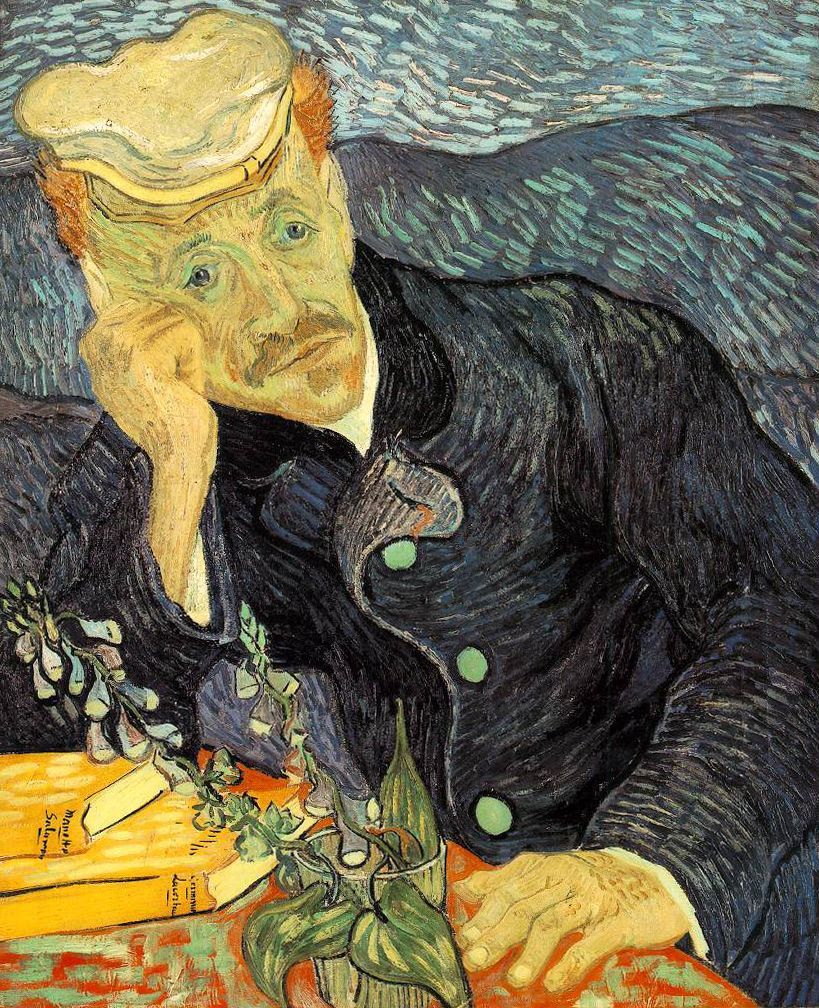
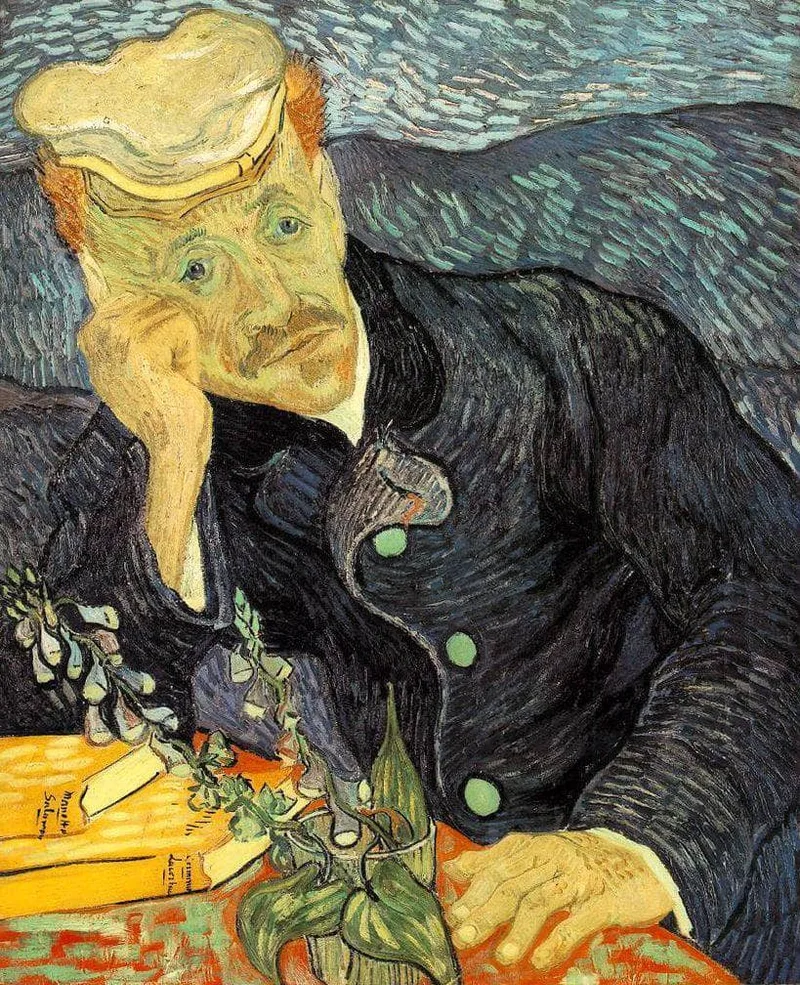
Its record did not last. In May 1990 Portrait of Dr Paul Gachet fetched $83 million at Christie's in New York, then the highest auction price for a work by any artist [5]. Irises had held the title for less than three years.
On the auction ranking, Irises now stands ninth among Van Gogh's paintings, well below the $117 million record set by Orchard with Cypresses in 2022 [5]. Our ranking of the most expensive Van Gogh paintings has the full list, and what a Van Gogh painting is worth covers the wider market. The most famous canvas of the same asylum year has the same problem, as what The Starry Night is worth explains.
Hand-painted in oilFrom $350See sizes
Every price Irises has fetched, year by year
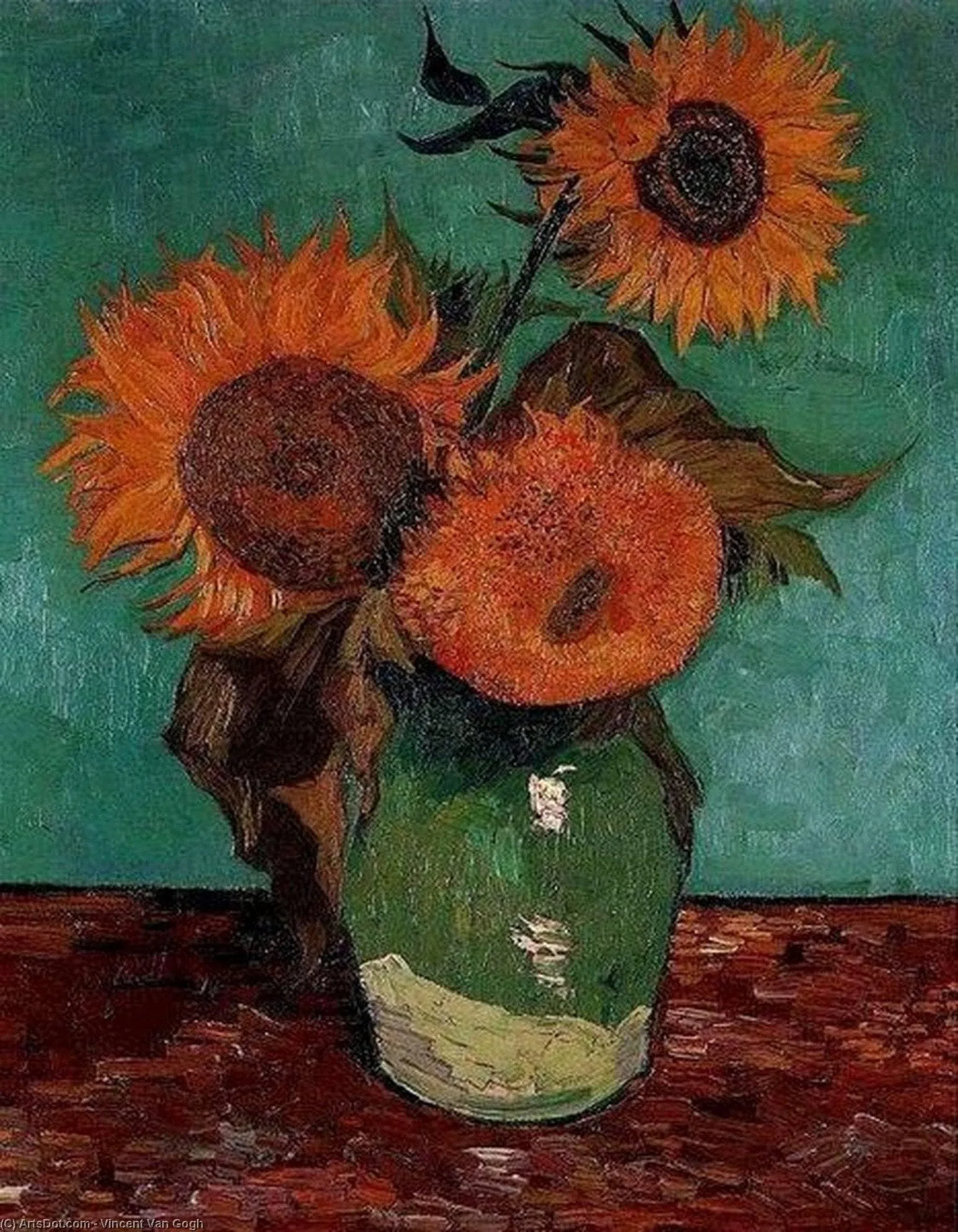
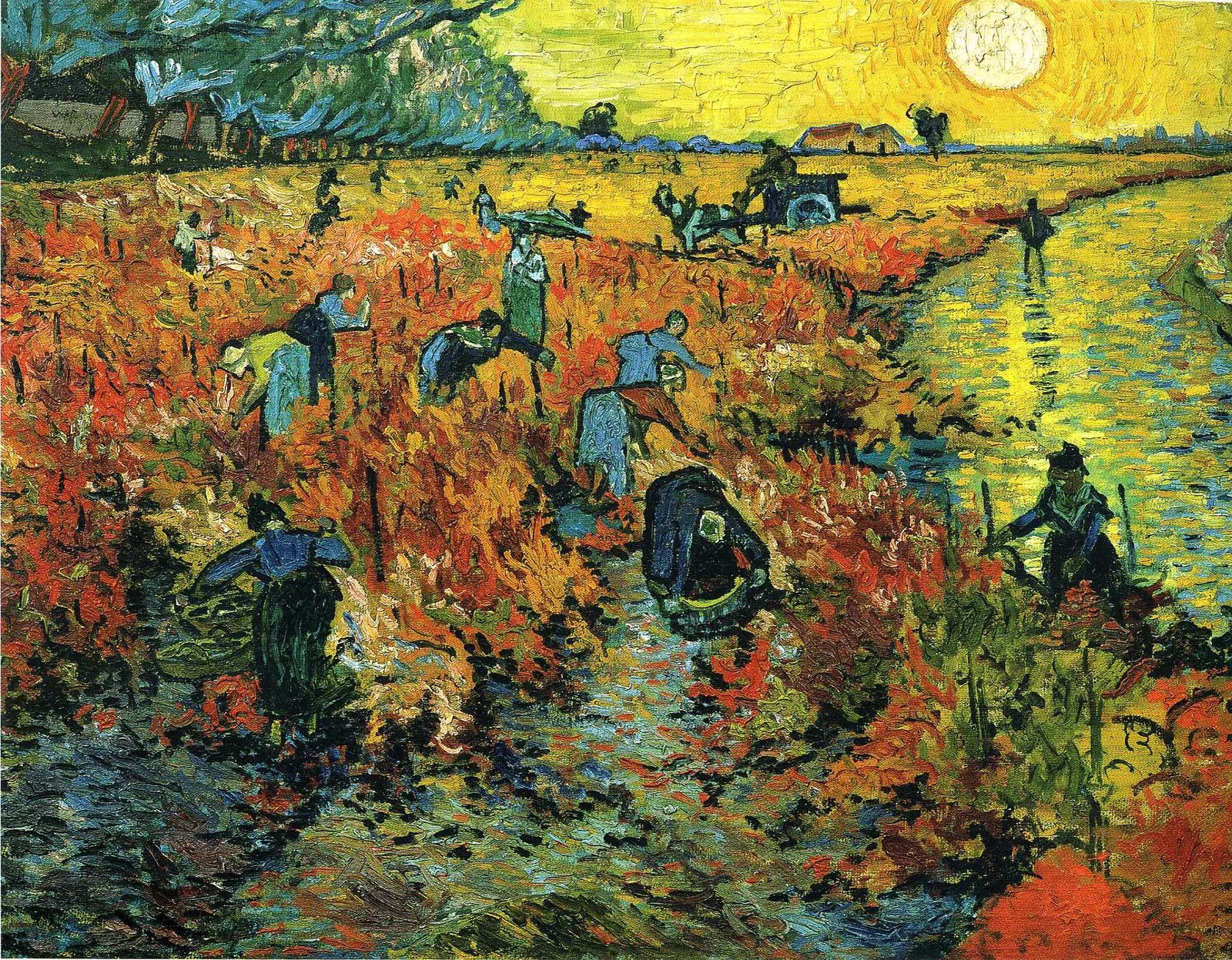
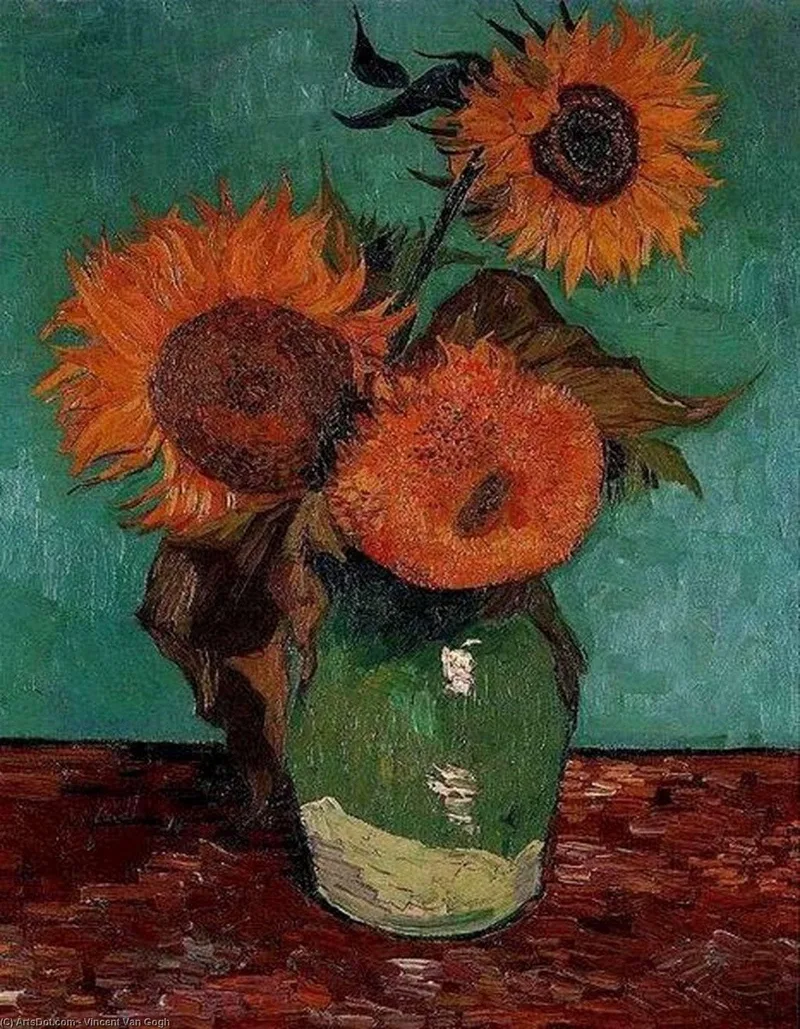
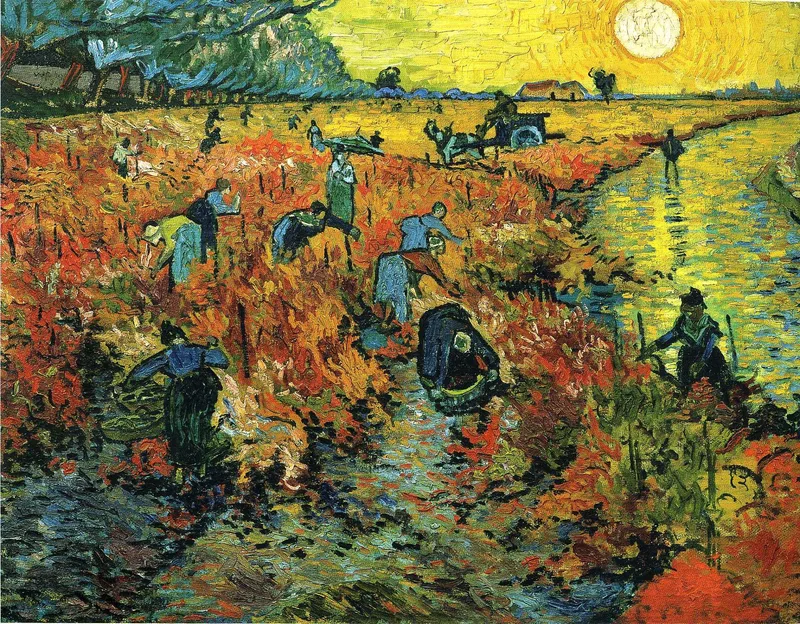
The first buyer was the critic Octave Mirbeau, who bought it in 1891 through Père Tanguy, the paint dealer who sold Van Gogh's work for Theo's widow, Jo Bonger [1][6]. He paid 600 francs for Irises and a still life of three sunflowers together [6]. The only painting Van Gogh is certain to have sold in his lifetime, The Red Vineyard, went for 400 francs [6]. For how little his work fetched while he lived, see how many paintings Van Gogh sold.
Joan Whitney Payson, owner of the New York Mets, acquired Irises for $84,000 in 1947 [2], and her son John inherited it in 1975 [1]. He decided to sell in the late summer of 1987 “because of the recent and unprecedented spiral in art prices and changes in Federal tax law” [2].
Hand-painted in oilFrom $350See sizes
Hand-painted in oilFrom $350See sizes
| Year | What happened | Price |
|---|---|---|
| 1891 | Octave Mirbeau buys it through Père Tanguy, with a still life of three sunflowers | 600 francs for the pair [6] |
| 1947 | Joan Whitney Payson acquires it | $84,000 [2] |
| 1987 | Sotheby's New York auction, lot 25; the buyer is later revealed as Alan Bond | $53.9 million with commission; hammer $49 million [2] |
| 1987 | Sotheby's lends the buyer about half the price | About $27 million [3] |
| 1990 | Private treaty sale to the J. Paul Getty Museum | Not disclosed; probably around $50 million [5][6] |
| Today | The 1987 price in today's money | About $160 million [5] |
Prices as reported at the time; only the last row is adjusted for inflation. Sources: the Getty's provenance record, The New York Times (1987, 1989) and The Art Newspaper.
Where did Irises come from?
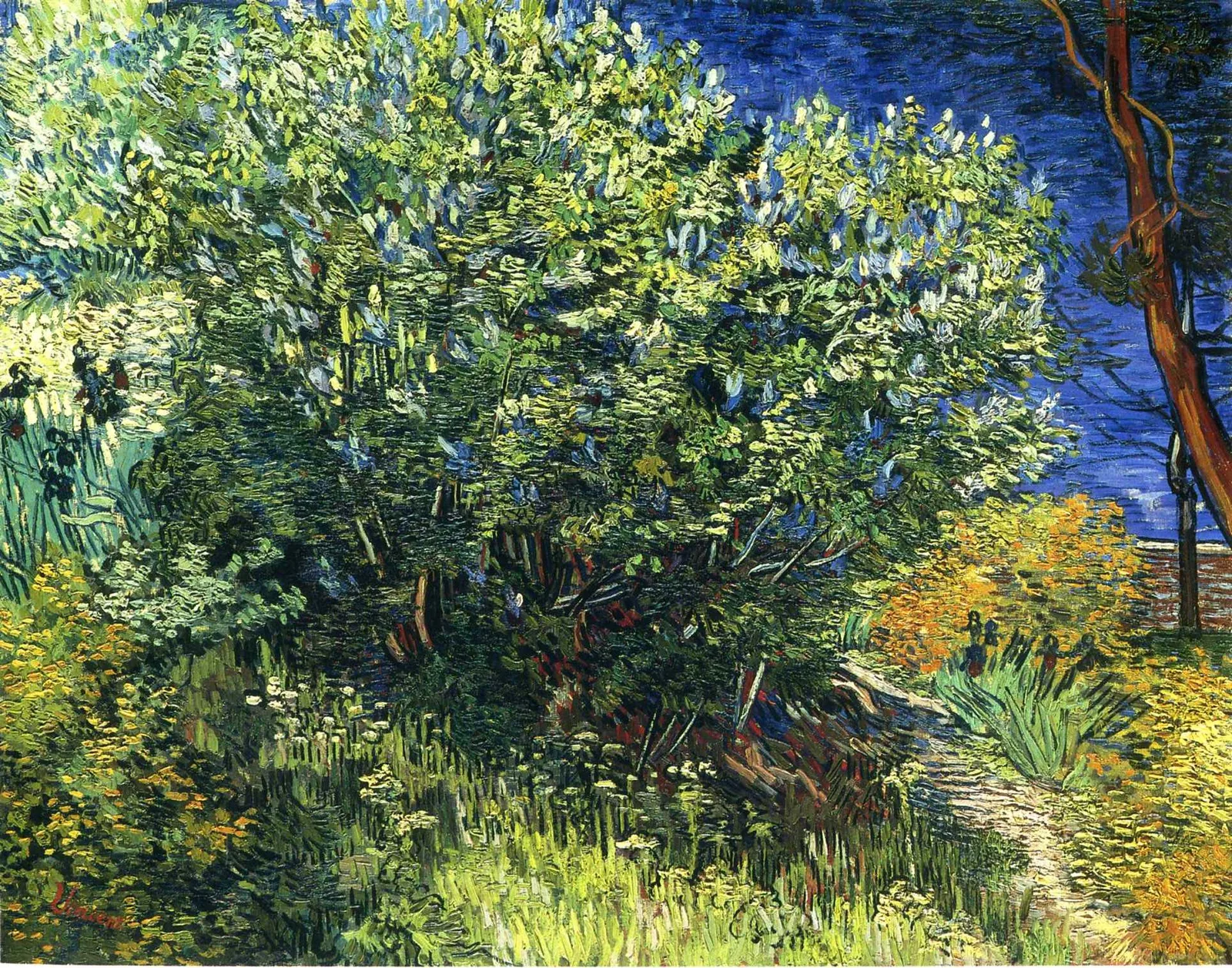
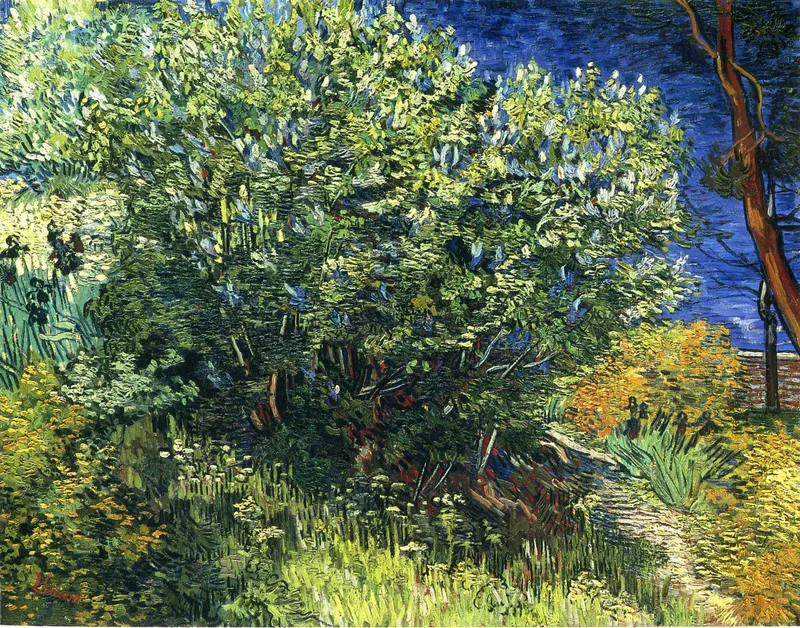
Van Gogh began it within his first week at the asylum in Saint-Rémy in May 1889, working from nature in the asylum's garden [1]. On May 9 he told Theo and Jo that he had two canvases on the go, “violet irises” and “a lilac bush”, and added: “Two subjects taken from the garden.” (letter 772) [7]. The second one is the Lilac Bush [7].
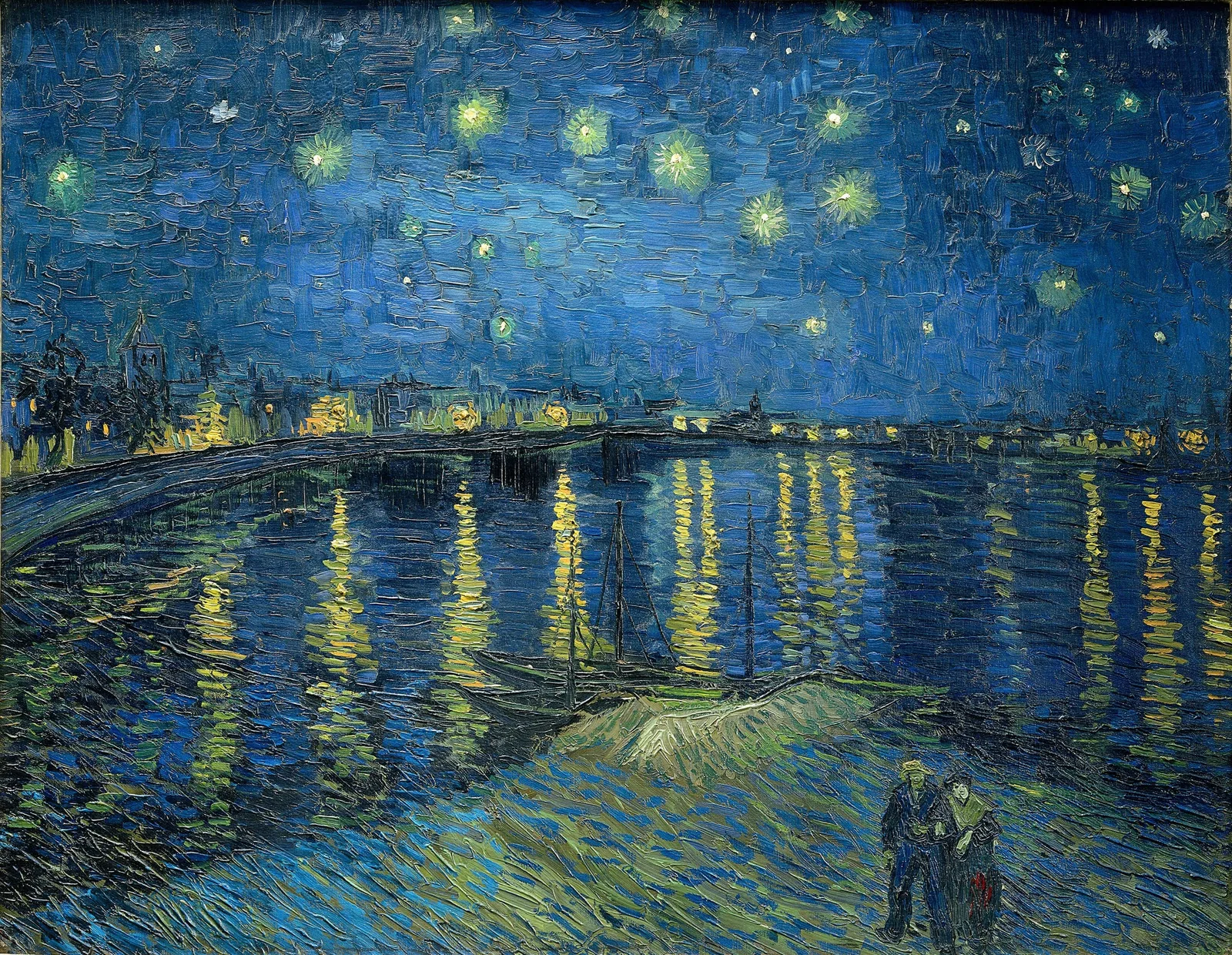
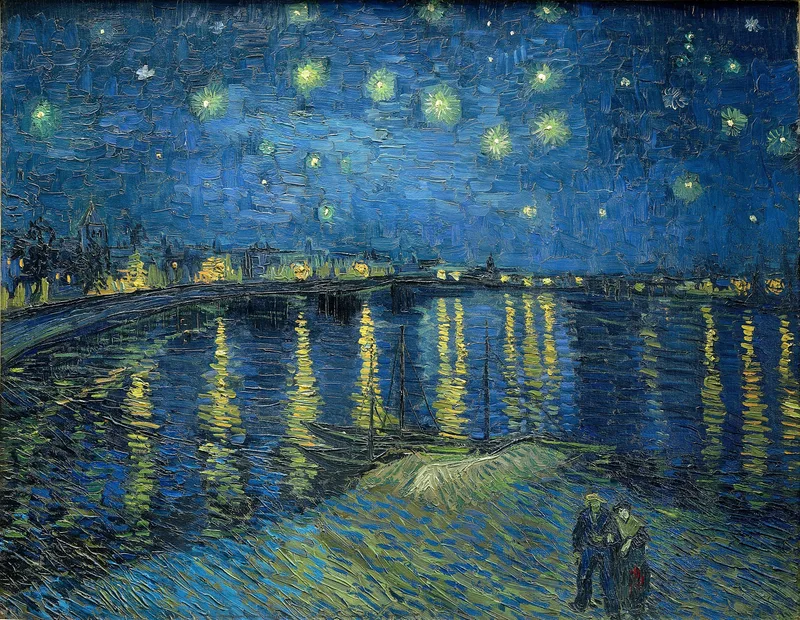
He considered Irises a study, and there are no known drawings for it [1]. Theo showed it at the Salon des Indépendants in Paris that September [1], alongside Starry Night Over the Rhône, and wrote that it looked extremely well [8]. Why Van Gogh's Irises changed color covers how its colors have aged since, and our guide to Van Gogh's letters shows where quotes like these come from.
Hand-painted in oilFrom $350See sizes
“They’ve placed it on the narrow side of the room and it strikes you from a long way off. It’s a fine study, full of air and life.”
Can you own a hand-painted copy?
Yes. A copy painted by hand in oil, brushstroke by brushstroke, hangs in a frame like any canvas and costs a small fraction of what the Getty paid, whatever that was. It is priced by size, and the card below opens the page for Irises, where every size is listed.
Questions and answers
How much is Irises by Van Gogh worth?
Who bought Van Gogh's Irises in 1987?
Who owns Van Gogh's Irises today?
The J. Paul Getty Museum in Los Angeles. Its records show the painting returned to Sotheby's in 1990 and was sold that year to the museum by private treaty sale; it is catalogued as 90.PA.20 [1].
Written and fact-checked by the Vincent van Gogh Paintings editorial desk8 sourcesUpdated
Sources
- J. Paul Getty Museum: Irises, 1889, 90.PA.20 (object record and provenance)Accessed
- The New York Times: Van Gogh's 'Irises' Sells for $53.9 Million (Rita Reif, November 12, 1987)Accessed
- The New York Times: A $27 Million Loan by Sotheby's Helped Alan Bond to Buy 'Irises' (Rita Reif, October 18, 1989)Accessed
- The New York Times: Sotheby's Is Ending Its Art Sales on Margin (Rita Reif, January 11, 1990)Accessed
- The Art Newspaper: The ten most expensive Van Gogh paintings (Martin Bailey, revised July 17, 2026)Accessed
- The Art Newspaper: What were the first 12 Van Gogh paintings ever sold? (Martin Bailey, September 23, 2022)Accessed
- Vincent van Gogh, letter 772 to Theo van Gogh and Jo van Gogh-Bonger, Saint-Rémy, May 9, 1889Accessed
- Theo van Gogh, letter 799 to Vincent van Gogh, Paris, September 5, 1889Accessed
Hand-painted oil reproductions

.jpg)