
Guide
7 Artists Like Van Gogh You Should Know About
Seven painters linked to Van Gogh by friendship, color or feeling, each paired with the painting that shows the bond


Artists like Van Gogh include his friend Paul Gauguin, Edvard Munch, the Fauves Henri Matisse and André Derain, the Expressionists Ernst Ludwig Kirchner and Wassily Kandinsky, and Egon Schiele. [1][3][4][6][10][12] Each shares something of his bold color, expressive brushwork or strong feeling. [2][3][4] Below, each one appears next to a Van Gogh painting that shows the link, with a museum source. Start from Van Gogh's paintings any time.
1. Paul Gauguin, his friend in Arles
Start with the friend. Gauguin painted Vincent van Gogh Painting Sunflowers in Arles in 1888. [1] Tate places the two among the four major Post-Impressionists, along with Paul Cézanne and Georges Seurat, painters who each took Impressionism in a different direction. [2]
Gauguin kept Impressionism's intense light and color, says Tate. [2] What split the friends was method: the Van Gogh Museum notes that Gauguin preferred to work from imagination, while Van Gogh painted directly from nature, and the two often debated it. [1] Our guide to Gauguin's portrait of Van Gogh looks closely at the painting above.
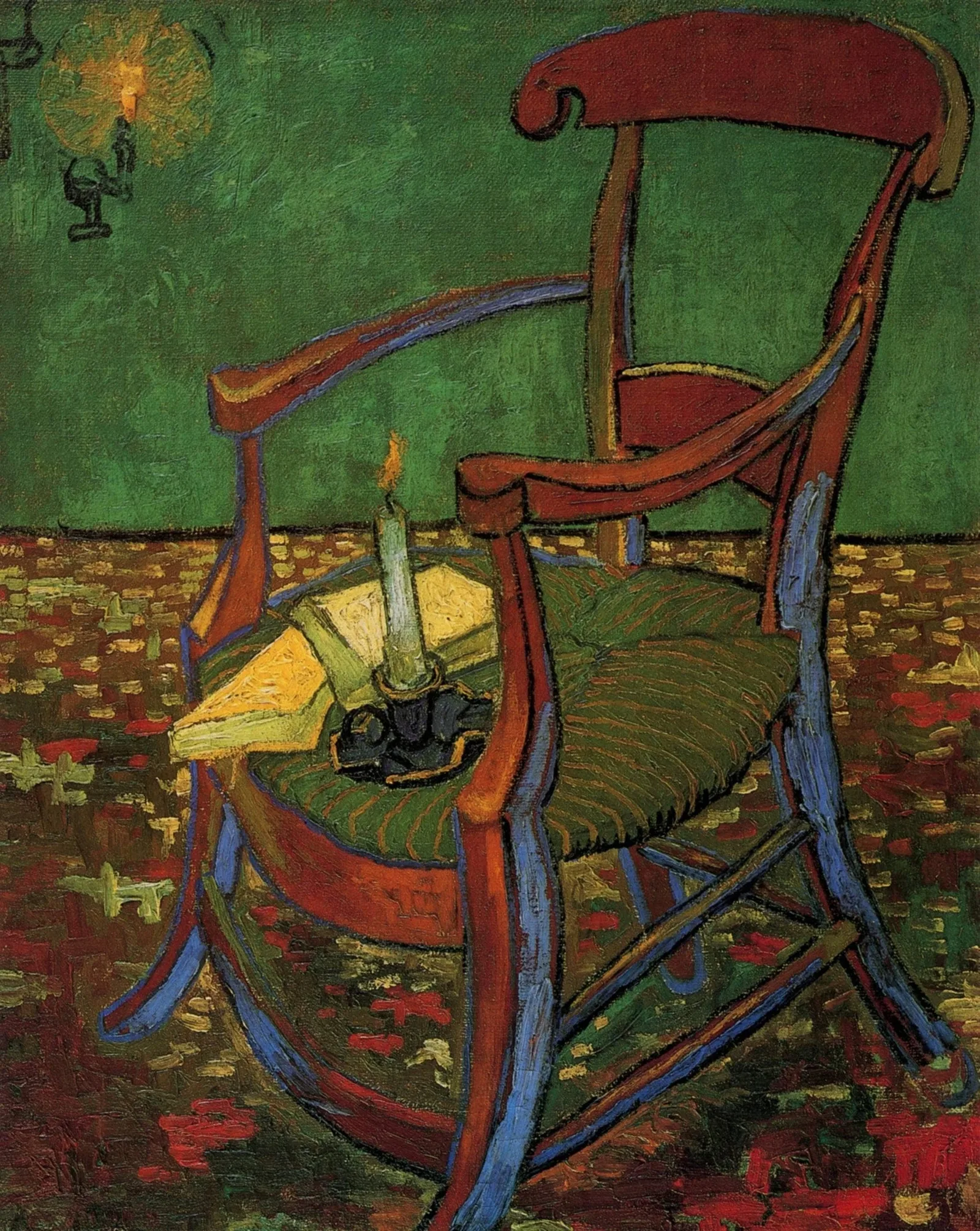
They also traded portraits. Van Gogh knew that Japanese printmakers often swapped their work, liked the idea and suggested that Gauguin and Émile Bernard do the same. [11] Both friends answered with self-portraits that included the other's likeness in the background. [11] Van Gogh's own side of the friendship is Gauguin's Armchair, and you can follow their months in Arles too.


Hand-painted in oilFrom $350See sizes


2. Edvard Munch, the Norwegian parallel
If Van Gogh moves you, Munch probably will too. The Munch Museum in Oslo says both made art with strong emotional content in a personal, innovative style, both lived troubled lives, and the public and art historians have often compared them. [3] Its 2015 exhibition with the Van Gogh Museum named the shared tools: a vibrant palette, a highly stylized idiom, personal and bold brushwork and unconventional compositions. [3]
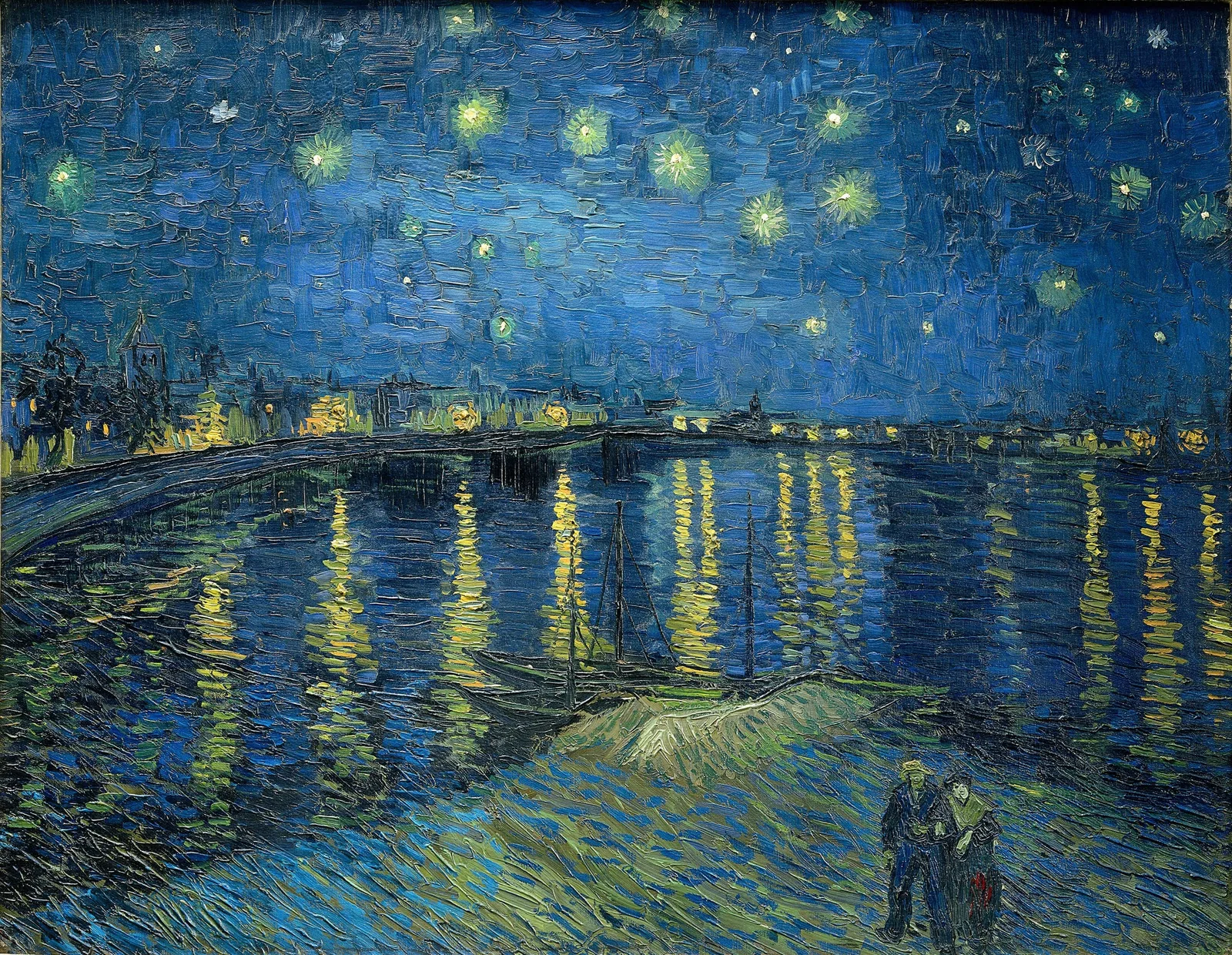
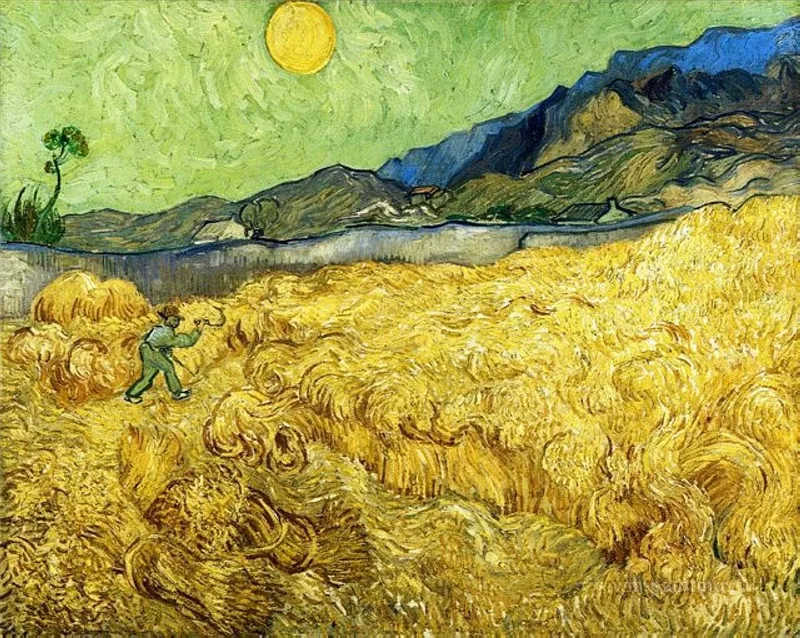
Paris was a turning point for both, and both built series in which pictures formed a larger whole: Munch's Frieze of Life and Van Gogh's Décoration. [3] The museum chose The Sick Child and The Scream to show the kinship, next to Van Gogh's Starry Night over the Rhône and Wheatfield with Reaper. [3] Our comparison of the two starry nights is a good next step.
Hand-painted in oilFrom $350See sizes
3. Henri Matisse, the Fauve who wanted a Van Gogh
The best Matisse story involves a bicycle. In 1899, as a struggling 29-year-old, he fell in love with Van Gogh's L'Arlésienne at Ambroise Vollard's gallery in Paris, priced at 150 francs. [5] He asked his brother Auguste to help, but Auguste had just bought a bicycle, and by the time Matisse raised the money the dealer wanted 450. [5]
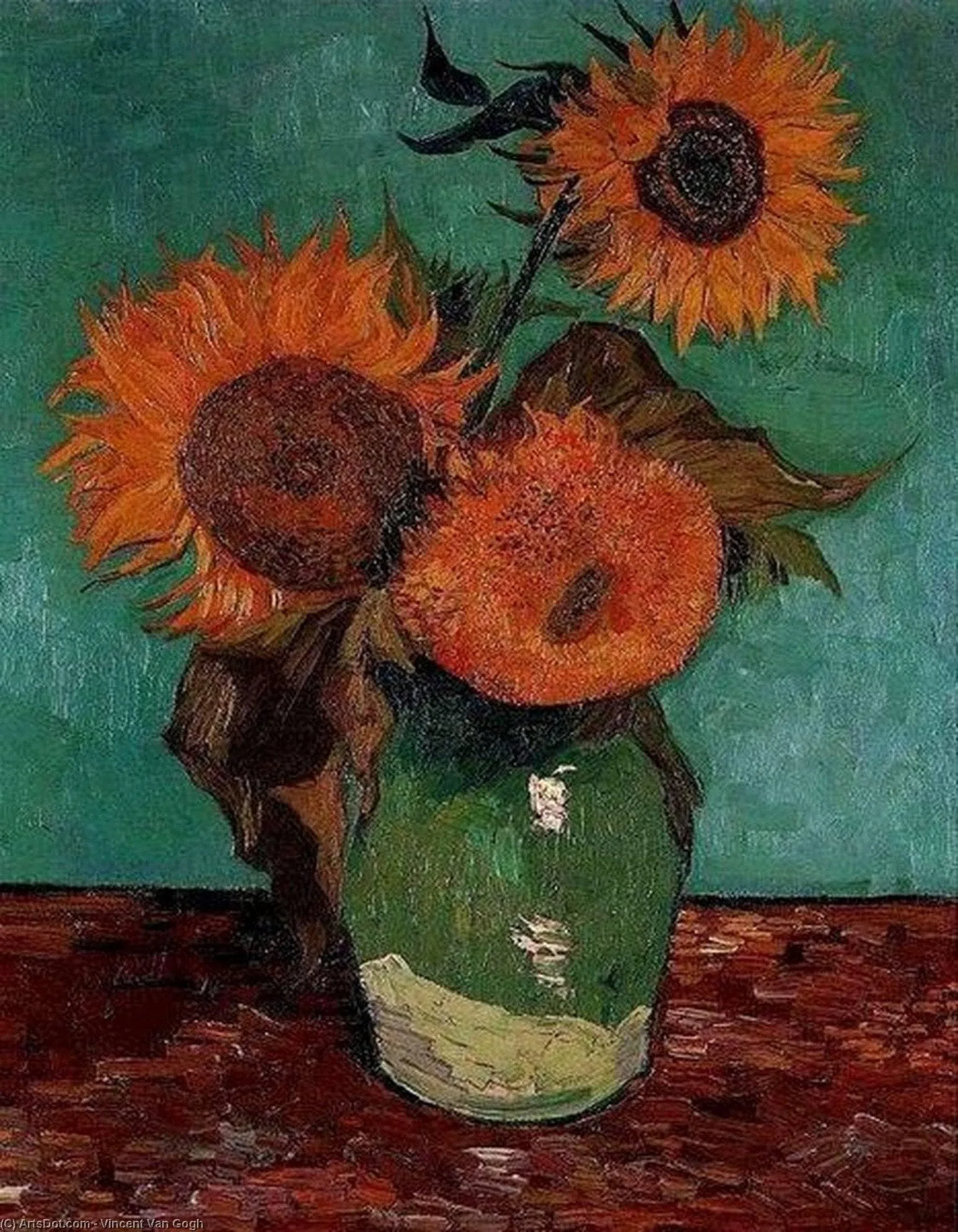
The admiration ran deep. He already owned a Van Gogh drawing, a gift in 1897 from the Australian painter John Russell, who had befriended Van Gogh in Paris. [5] In 1898 he painted his own Sunflowers, a very personal image in a looser, more Expressionist style than the Dutchman's. [5] After the first Van Gogh retrospective, at the Bernheim-Jeune gallery in 1901, he became one of the Fauves. [5] Tate dates Fauvism to about 1905 to 1910 and says it “can be seen as an extreme extension of the post-impressionism of Van Gogh combined with the neo-impressionism of Seurat.” [4] Late in life Matisse still kept a reproduction of Van Gogh's Self-Portrait with Bandaged Ear in his bedroom. [5]

.jpg)
Hand-painted in oilFrom $350See sizes
“I’ve kept my eye on Cezanne and Van Gogh; each of them sought desperately to depict his own vision.”
4. André Derain, the other wild beast
Derain met Matisse at that same 1901 retrospective, along with Maurice de Vlaminck, and The Art Newspaper describes both as equally entranced by Van Gogh's expressive use of color. [5] In 1905 the critic Louis Vauxcelles saw work by Matisse and Derain at the Salon d'Automne in Paris and called them les fauves, the wild beasts. [4]
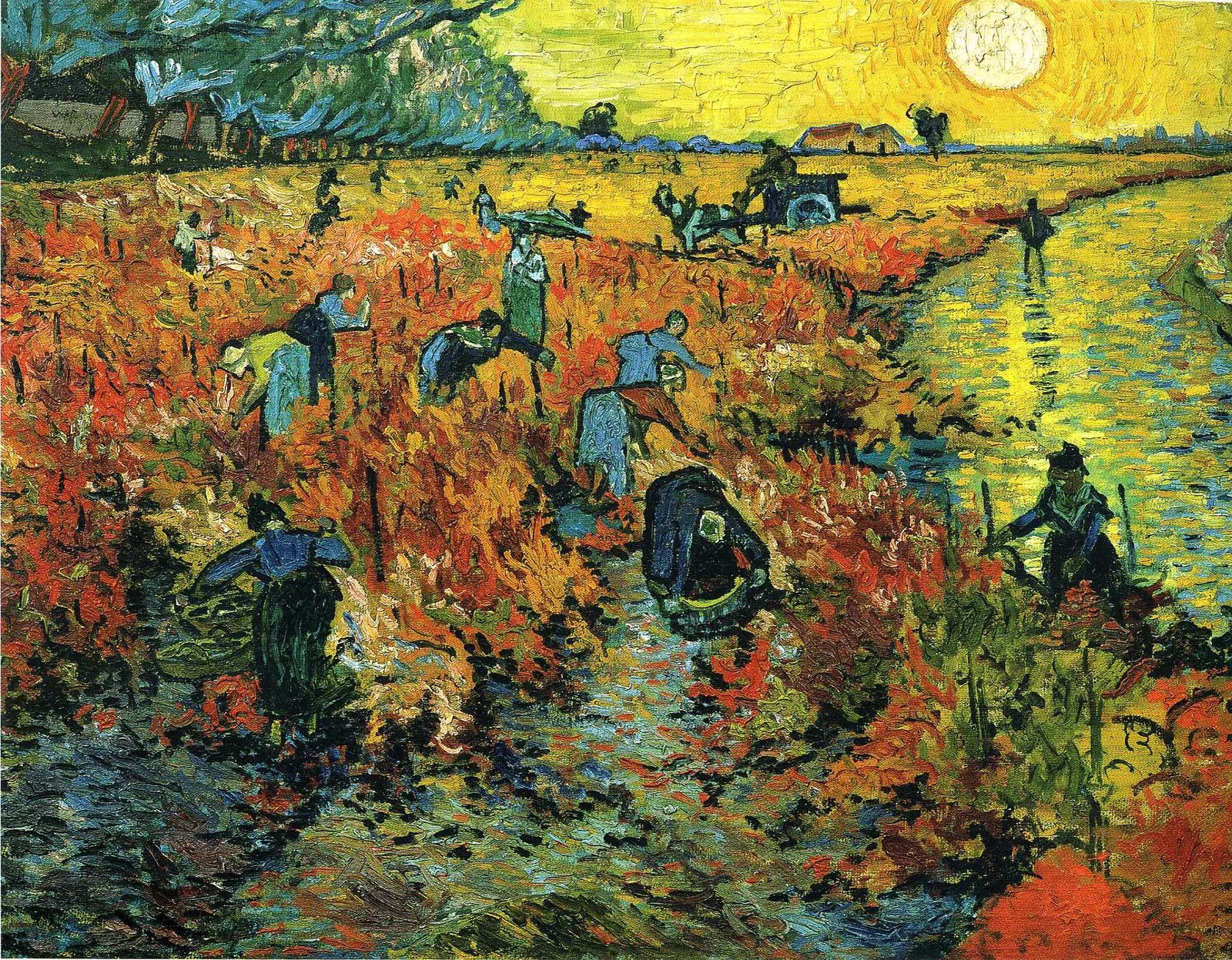
The pictures they showed in 1905 came from a summer working together in Collioure, in the south of France, with bold, non-naturalistic colors often squeezed straight from the tube and wild, loose dabs of paint. [4] That is Van Gogh's color pushed one step further. Put his Red Vineyards at Arles beside Derain's hills and the family resemblance is clear. Our pages on Post-Impressionism and Neo-Impressionism trace the two sources Tate names.


.jpg)
Hand-painted in oilFrom $350See sizes
5. Ernst Ludwig Kirchner and the German Expressionists
In Germany the same spark became Expressionism. Tate says the German Expressionists took their cues from the dramatic post-impressionist paintings of Van Gogh and Munch, among others, and set out to move beyond literal depictions of nature. [6] Tate names two groups, The Bridge (Die Brücke) and The Blue Rider (Der Blaue Reiter), and among their artists Kirchner, Wassily Kandinsky, Gabriele Münter, Marianne Werefkin and Franz Marc. [6]
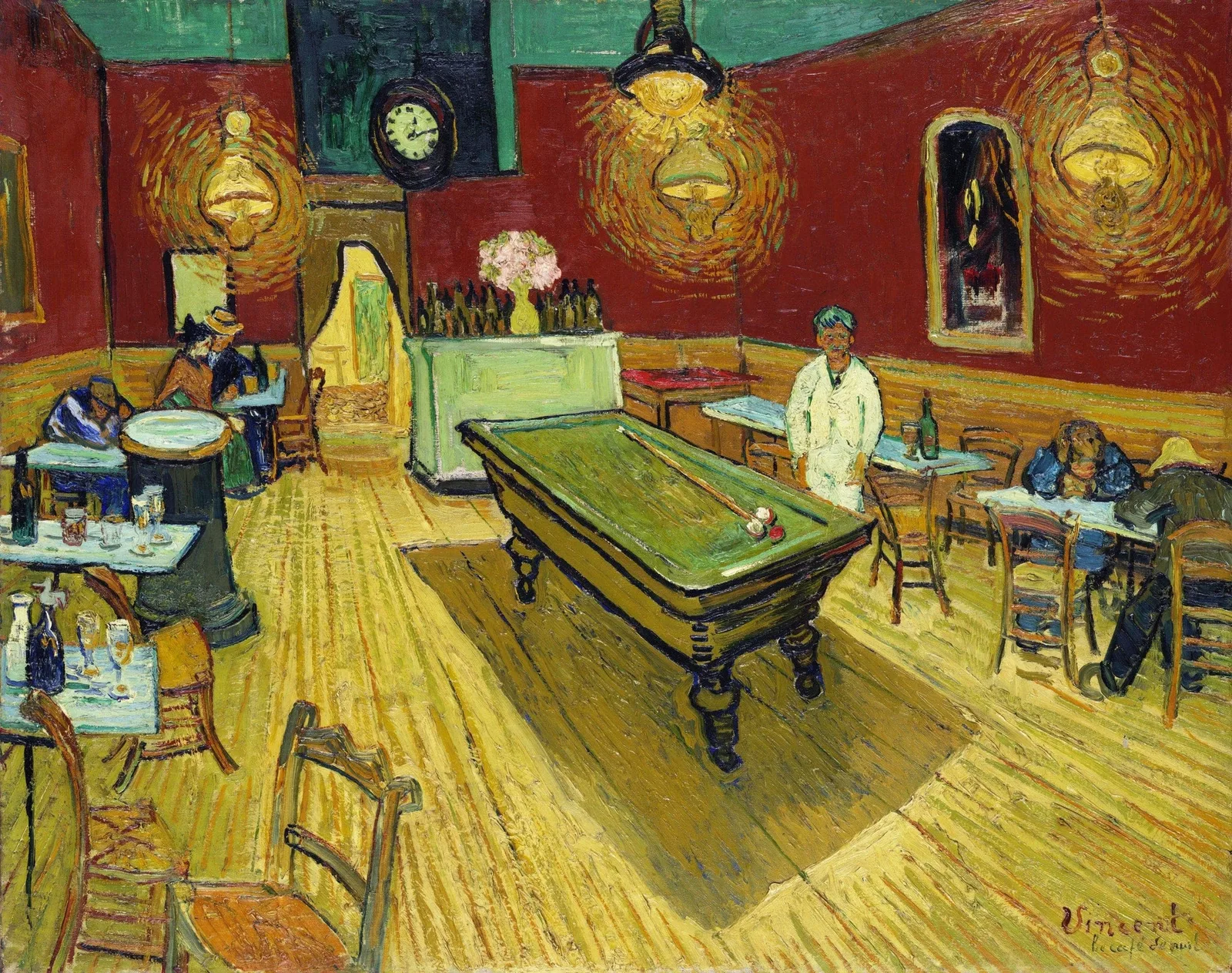
Their goal will sound familiar: to put emotion and spirituality back into art. [6] The Neue Galerie in New York built a whole exhibition on the link in 2007, with the Van Gogh Museum, and showed major Van Gogh canvases together with works by Kirchner and others. [10] Kirchner's street scene below, with its flat, loud color, shares the unnatural palette of Van Gogh's Night Café. To see what that emotion meant in Van Gogh's own words, read what Van Gogh's paintings mean.


Hand-painted in oilFrom $350See sizes
6. Wassily Kandinsky, who saw the way to abstraction
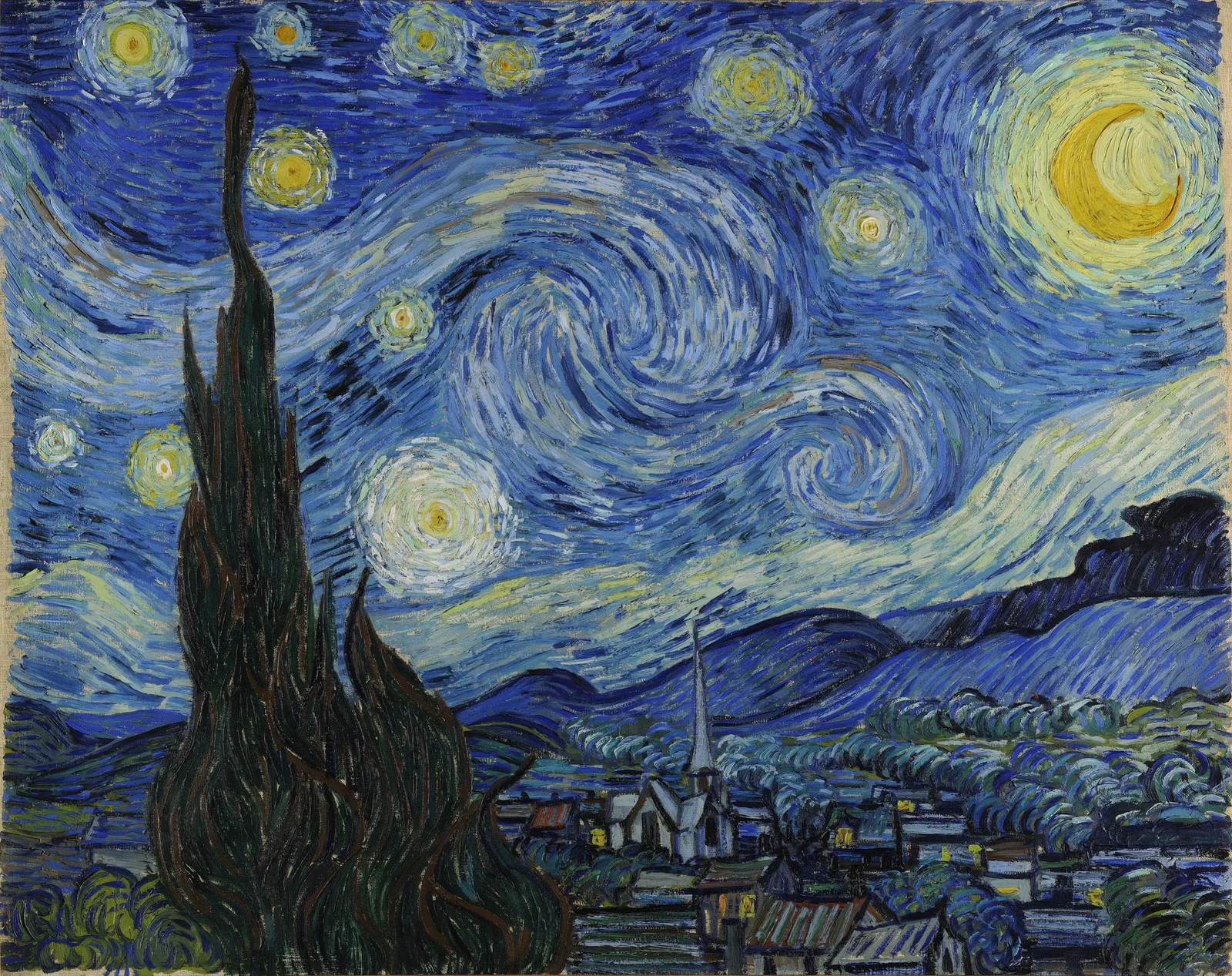
For Kandinsky, says the Neue Galerie, Van Gogh represented the way forward to abstraction. [10] Tate lists Kandinsky among the German Expressionists, who set out to move beyond literal depictions of nature. [6] Look at the swirling brushwork of Van Gogh's Starry Night and you can see why a painter who wanted color and line to carry feeling would pay attention.


Hand-painted in oilFrom $350See sizes
7. Egon Schiele, who read faces like Van Gogh
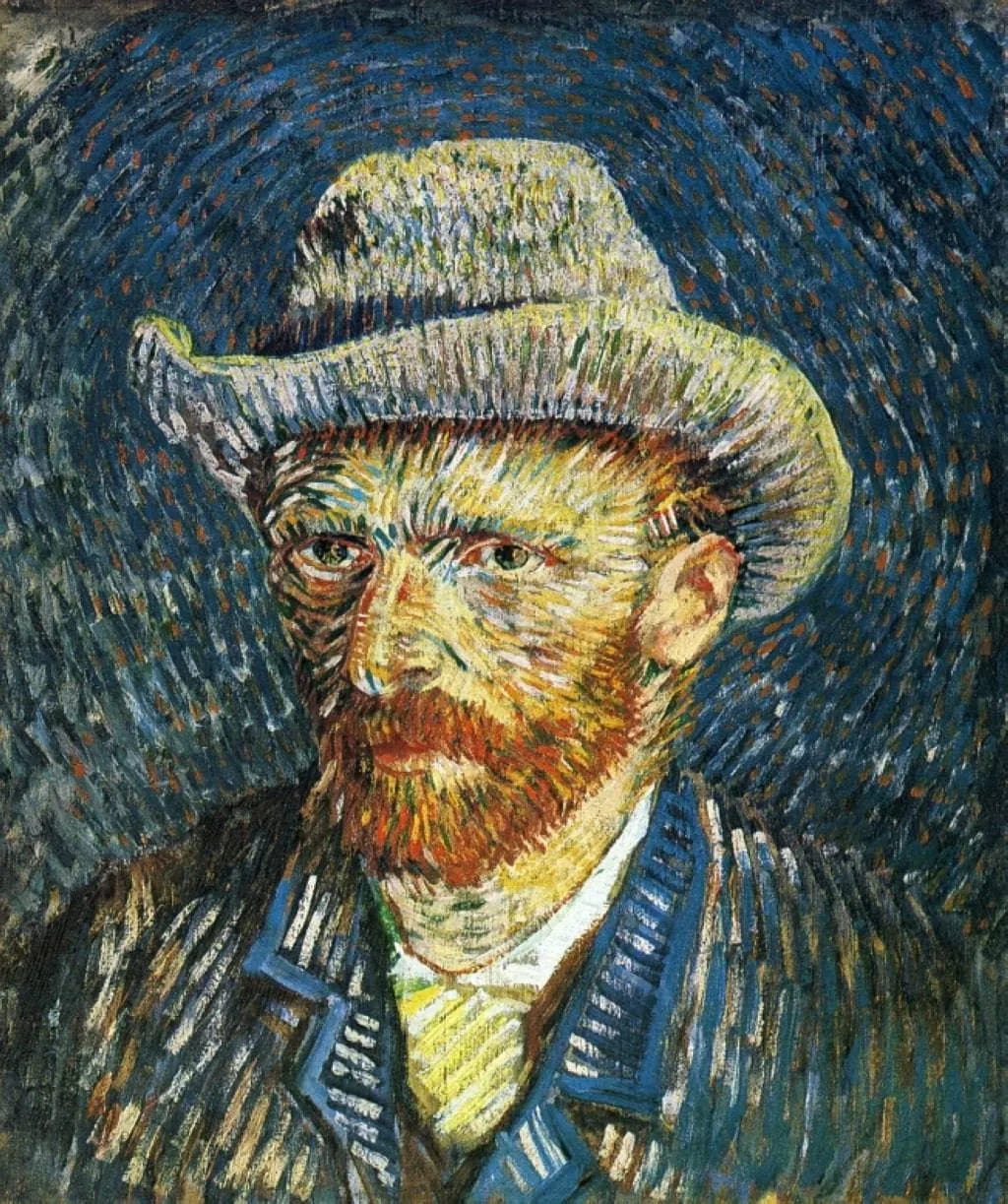
Across the border in Austria, the Neue Galerie says Egon Schiele and Oskar Kokoschka were especially impressed by the soulful expression of Van Gogh's art and his insightful psychological portraits. [12] The 2007 exhibition included important paintings by Schiele along with major Van Gogh canvases. [10] If you like the intensity of a Van Gogh face, Schiele's self-portraits are the place to go next, and our page on Van Gogh's self-portraits is the best place to compare.


Hand-painted in oilFrom $350See sizes
What do artists like Van Gogh have in common?
Three things keep coming back in these museum sources: color used for feeling rather than accuracy, brushwork you can see, and a deep bond with nature. Tate sums up Van Gogh himself this way: he painted from nature but developed a highly personal use of color and brushwork to express his emotional response and his inner world. [2] Each artist on this list took one of those threads and pulled it somewhere new.
The thread runs on today, though living painters' work is not shown here. In 2019 the Van Gogh Museum paired David Hockney with Van Gogh in The Joy of Nature, and the museum notes that for both of them spring and nature are important subjects. [7] Anselm Kiefer won a travel scholarship in 1963 and chose to follow Van Gogh's route through the Netherlands, Belgium and France; the museum calls Van Gogh a vital source of inspiration for him. [8] If you love Van Gogh's orchards and fields, browse Van Gogh's landscapes, and meet Vase with Fifteen Sunflowers, one of several Van Gogh sunflower paintings, in our guide to the Sunflowers versions.
| Artist | What they share with Van Gogh | Museum source |
|---|---|---|
| Paul Gauguin | Intense light and color; a portrait exchange in 1888 | Van Gogh Museum [1][11]; Tate [2] |
| Edvard Munch | Vibrant palette, bold brushwork, emotional themes | Munch Museum [3] |
| Henri Matisse | Expressive color, Fauvism, his own sunflowers | Tate [4]; The Art Newspaper [5] |
| André Derain | Bold, non-naturalistic color | Tate [4] |
| Ernst Ludwig Kirchner | Expressionism that took cues from Van Gogh | Tate [6]; Neue Galerie [10] |
| Wassily Kandinsky | Van Gogh as the way forward to abstraction | Neue Galerie [10] |
| Egon Schiele | Soulful expression and psychological portraits | Neue Galerie [12] |
Each link comes from a museum page: the Van Gogh Museum [1][11], the Munch Museum [3], Tate [2][4][6] and the Neue Galerie [10][12]. Matisse and Derain's story at the 1901 retrospective comes from The Art Newspaper [5].
Questions and answers
What is Van Gogh's style of art called?
Post-Impressionism. Tate uses the term for the changes in Impressionism from about 1886 and counts Van Gogh among its four major figures, with Paul Cézanne, Paul Gauguin and Georges Seurat. [2] The British critic Roger Fry first used the word in 1910. [2] Tate says Van Gogh painted from nature but used color and brushwork in a very personal way. [2]
Who are the top 5 impressionist painters?
Tate does not rank them, but it says Claude Monet and other Paris-based artists developed Impressionism, and its first group show in Paris in 1874 included Monet, Auguste Renoir, Edgar Degas and Paul Cézanne; Camille Pissarro and Berthe Morisot were other core artists. [9] Van Gogh came after them, among the Post-Impressionists. [2] Our page on Impressionism has more.
Which artists did Van Gogh influence?
Many. Tate says Fauvism, a group that included Matisse and Derain, can be seen as an extension of his post-impressionism, and the German Expressionists took cues from him and Munch. [4][6] The Neue Galerie says Kandinsky saw in him the way forward to abstraction, while Schiele and Kokoschka admired his psychological portraits. [10][12]
Written and fact-checked by the Vincent van Gogh Paintings editorial desk12 sourcesUpdated
Sources
- Van Gogh Museum collection: Paul Gauguin, Vincent van Gogh Painting Sunflowers (s0225V1962)Accessed
- Tate: Art term, Post-impressionismAccessed
- MUNCH (Munch Museum), Oslo: Van Gogh + Munch, exhibition 2015Accessed
- Tate: Art term, FauvismAccessed
- The Art Newspaper: Matisse wanted to buy a Van Gogh portrait, instead his brother bought a bicycle (21 March 2025)Accessed
- Tate: Art term, ExpressionismAccessed
- Van Gogh Museum press release (in Dutch): David Hockney's painting comes to life on the Museumplein (14 March 2019)Accessed
- Van Gogh Museum: Landmark exhibition of Anselm Kiefer opens at Van Gogh Museum and Stedelijk Museum Amsterdam (5 March 2025)Accessed
- Tate: Art term, ImpressionismAccessed
- Neue Galerie New York: Van Gogh and Expressionism (exhibition, 2007)Accessed
- Van Gogh Museum collection: Paul Gauguin, Self-Portrait with Portrait of Emile Bernard (Les misérables) (s0224V1962)Accessed
- Neue Galerie New York: Van Gogh and Expressionism, exhibition catalogueAccessed
Hand-painted oil reproductions
Paintings in this guide
 Wheat Field with Reaper and SunVincent van GoghFrom$350
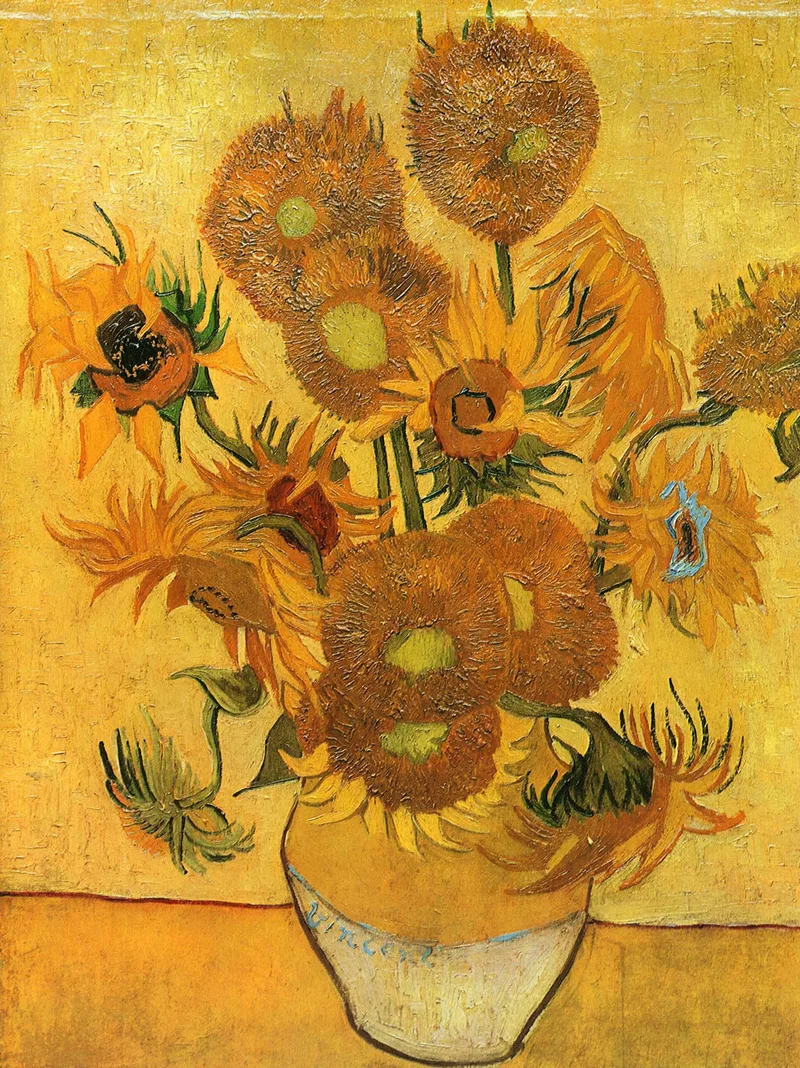 Still Life - Vase with Fifteen SunflowersVincent van GoghFrom$350
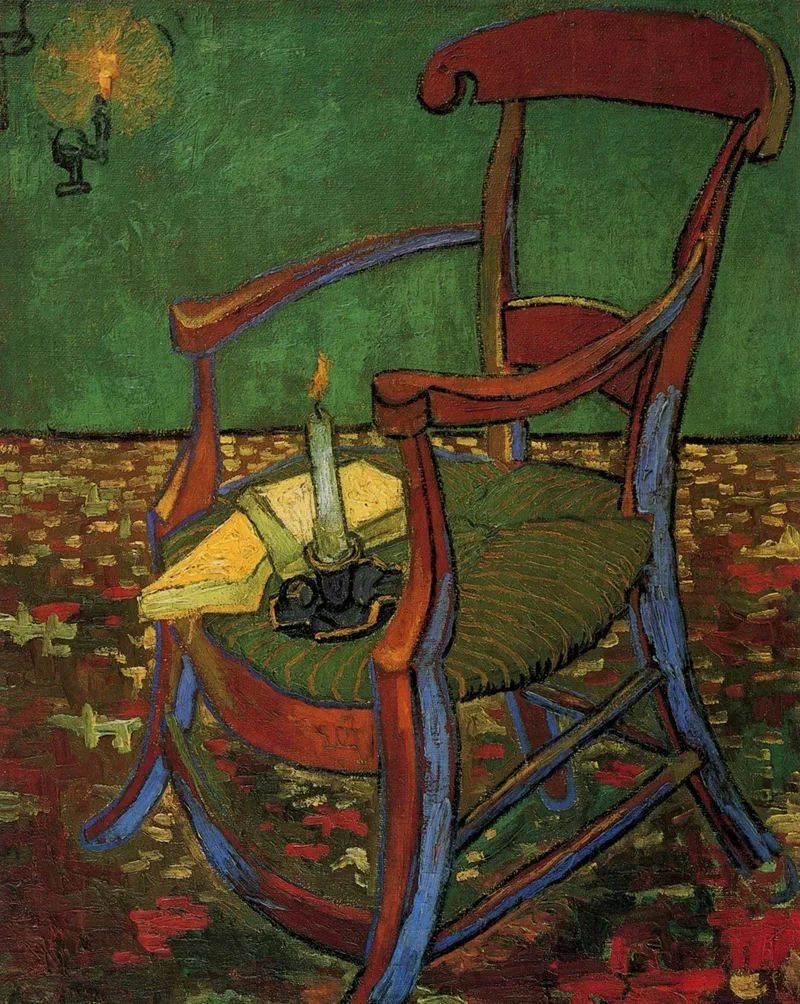 Paul Gauguin’s ArmchairVincent van GoghFrom$350
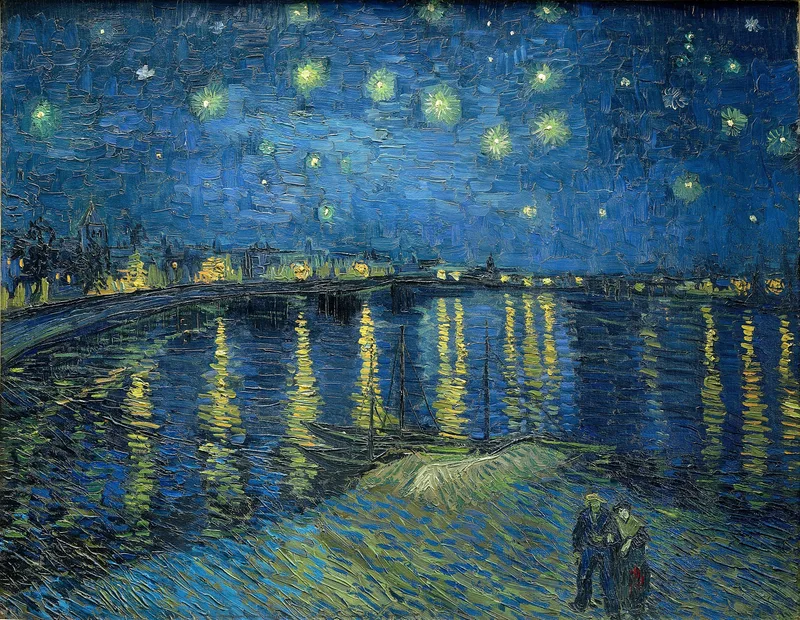 Starry Night Over the RhoneVincent van GoghFrom$350
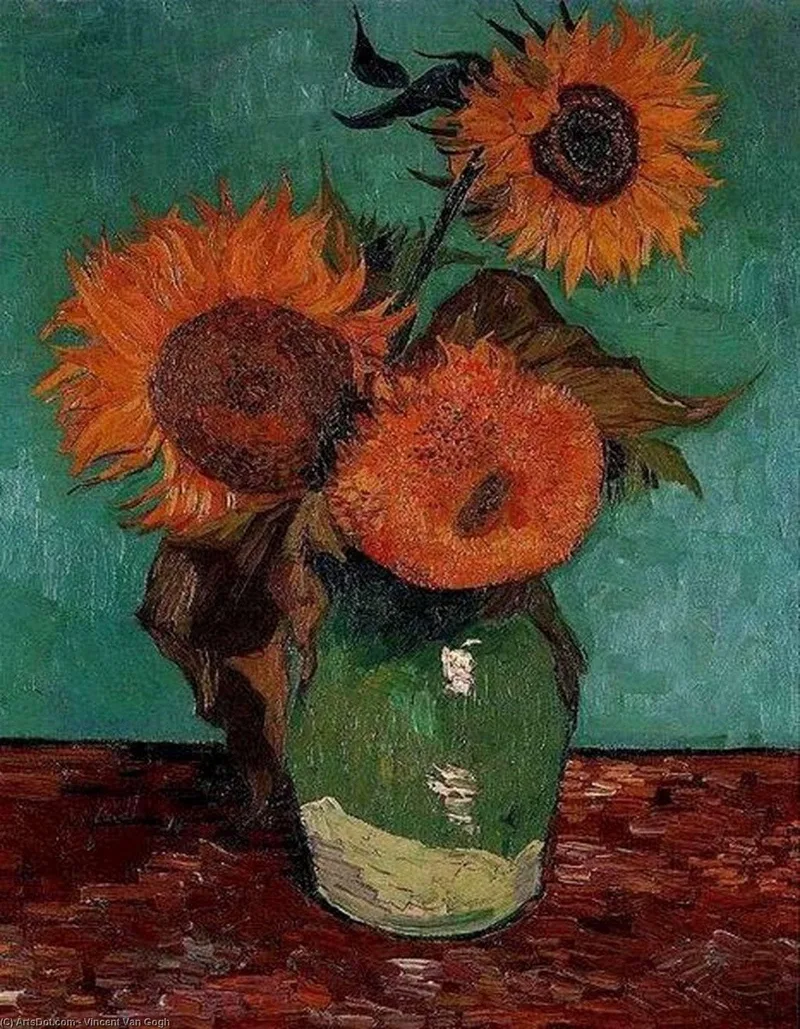 SunflowersVincent van GoghFrom$350
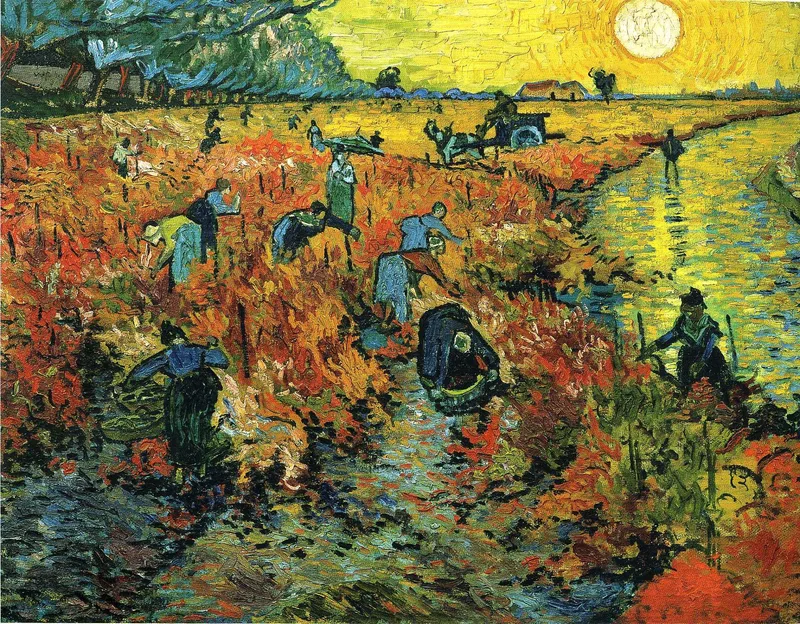 Red Vineyards at ArlesVincent van GoghFrom$350
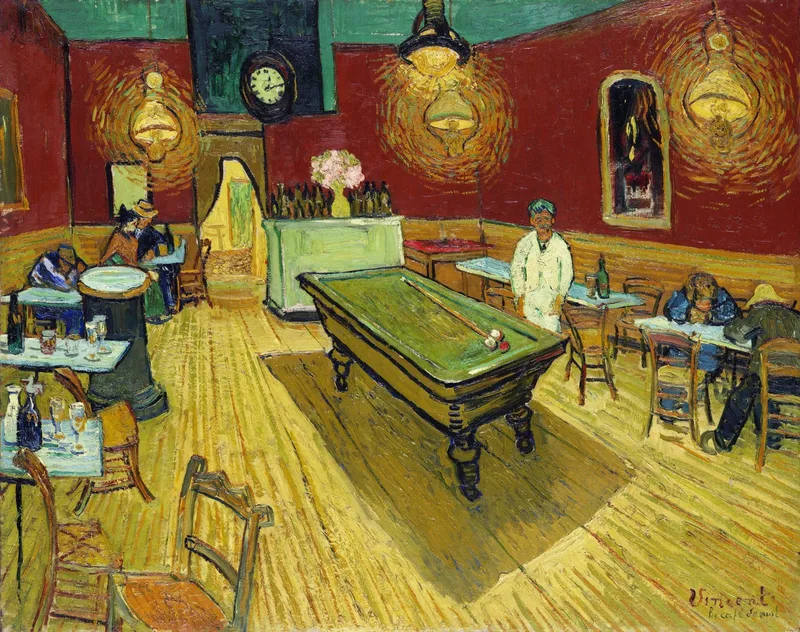 The Night CafeVincent van GoghFrom$350
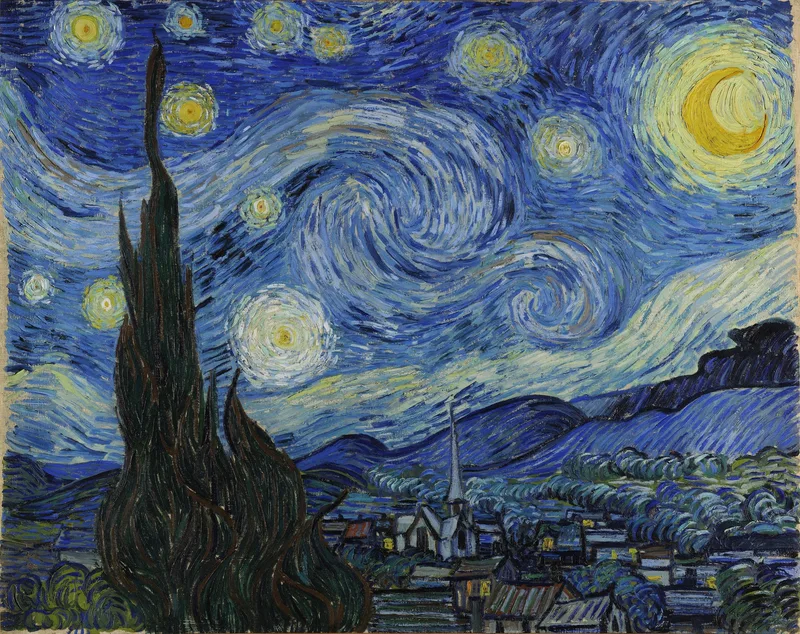 The Starry NightVincent van GoghFrom$350
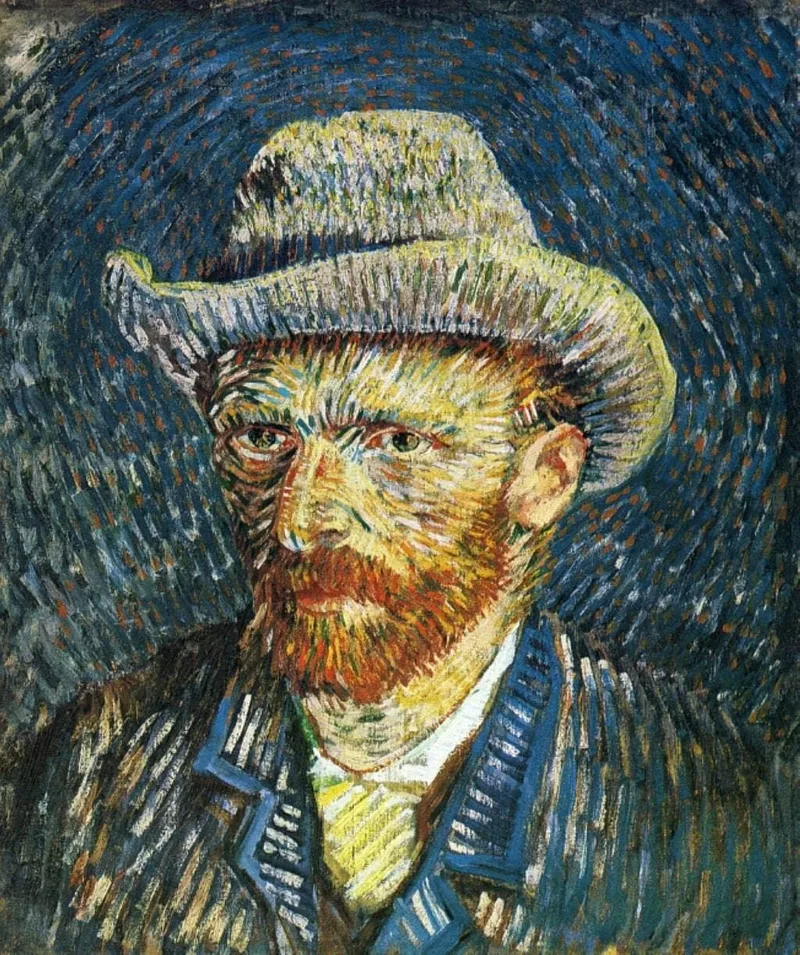 Self Portrait with Felt HatVincent van GoghFrom$350