Guide
8 Best Books About Van Gogh for Every Kind of Reader
Eight books for eight kinds of reader, each shown with the painting or letter that sits at its heart
The best book about Van Gogh is his own letters: Martin Bailey, a leading Van Gogh specialist, calls them “by far the most interesting of any artist,” and the full 2009 edition is also online. [5][1] Seven more picks follow, each for a different reader: the whole life, the story of his fame, Arles, his illness, Japan or the pictures. Each one is a way back into Van Gogh's paintings.
1. Vincent van Gogh: The Letters (2009)
If you read one thing, read him. Best for: anyone who wants Van Gogh's own voice and has time to spare. The complete edition, edited by Leo Jansen, Hans Luijten and Nienke Bakker, came out of a 15-year research project at the Van Gogh Museum: six volumes, 2,164 pages, 4,300 illustrations and the texts of 927 letters, all annotated. [5]
When Bailey wrote in 2020, the printed set was out of print. [5] The good news is that the same 2009 edition lives online at vangoghletters.org, “richly annotated and illustrated, with new transcriptions and authorized English translations.” [1] Bailey's tip: the website is great for research, but to read the letters in order, a book is better. [5]
Not sure where to begin? Our guide on how to read Van Gogh's letters explains who he wrote to and why, and reading a letter beside a painting shows how the edition's notes connect the two.

“Van Gogh’s letters are by far the most interesting of any artist.”
2. Vincent van Gogh: A Life in Letters (2022)
Best for: most readers, as a first book. This is the one to start with if six volumes sounds like too much. The same three editors who made the 2009 edition are behind this single 448-page Thames & Hudson paperback, published in August 2022 with 85 illustrations. [2] The Financial Times, quoted by the publisher, called it “a perfect condensed version of the six-volume complete correspondence.” [2]
Bailey points to it too, as the manageable version for readers who do not need all six volumes. [5] Keep it by the bed and read a few letters a night.


3. Van Gogh: The Life (2011)
Best for: readers who want the whole life in one big, readable narrative. Steven Naifeh and Gregory White Smith won a Pulitzer Prize for their biography of Jackson Pollock, then turned to Vincent, working with the full cooperation of the Van Gogh Museum. [3] The publisher says it follows his early struggles to find his place, his intense relationship with Theo, his move to Provence and the cloudy circumstances surrounding his death. [3] It lists 976 pages: the ebook came out on October 18, 2011, and the paperback from Random House Trade Paperbacks followed on December 4, 2012. [3]
Leo Jansen of the Van Gogh Museum called it “the definitive biography for decades to come.” [3] Bailey agrees it is the definitive biography, with 28,000 footnotes available online, but he adds a proviso: he disagrees with the appendix arguing that a local teenager shot Van Gogh, and believes it was suicide. [5] If that question is why you are here, our shorter guide to how Van Gogh died lays out the evidence.

4. Jo van Gogh-Bonger: The Woman Who Made Vincent Famous (2022)
Best for: readers curious how a painter who sold almost nothing became world famous. Here is the story behind the story. Only one painting is certain to have sold in Vincent's lifetime, so most of his work passed to Theo and then to Theo's widow, Jo, and their baby son. [8] Our guide to how many paintings Van Gogh sold explains that famous figure.
Hans Luijten's biography of Jo, the first ever written about her, came out in English from Bloomsbury in November 2022, in more than 500 pages. [8] You learn how she lent pictures to exhibitions, organized a 1905 retrospective of 443 works in Amsterdam, still the largest Van Gogh show ever, and published his letters in Dutch in 1914. [8] Bailey, who flagged the book two years before its English release, calls it magnificent. [5]
The painting that ties him to this family is Almond Blossom, which Vincent painted for Theo and Jo when their son Vincent Willem was born. [11]

Hand-painted in oilFrom $350See sizes
5. The Yellow House, by Martin Gayford
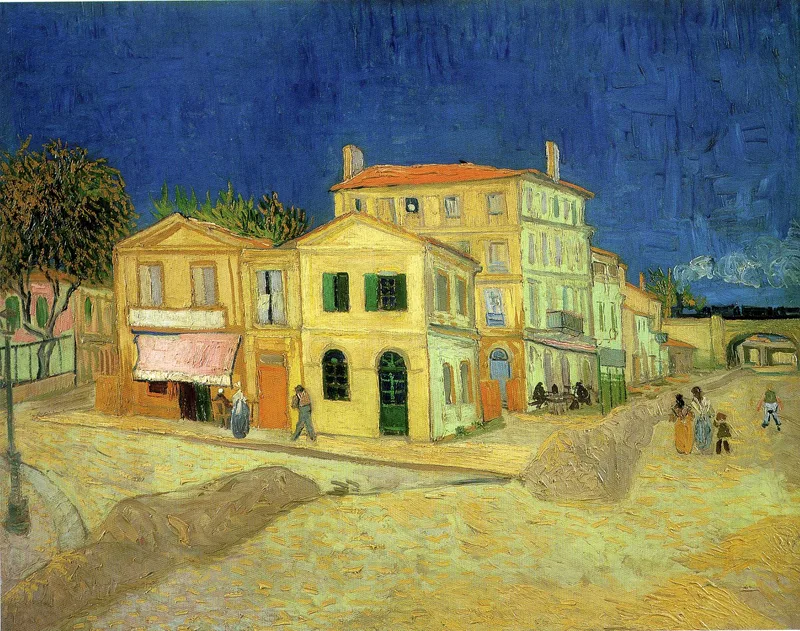
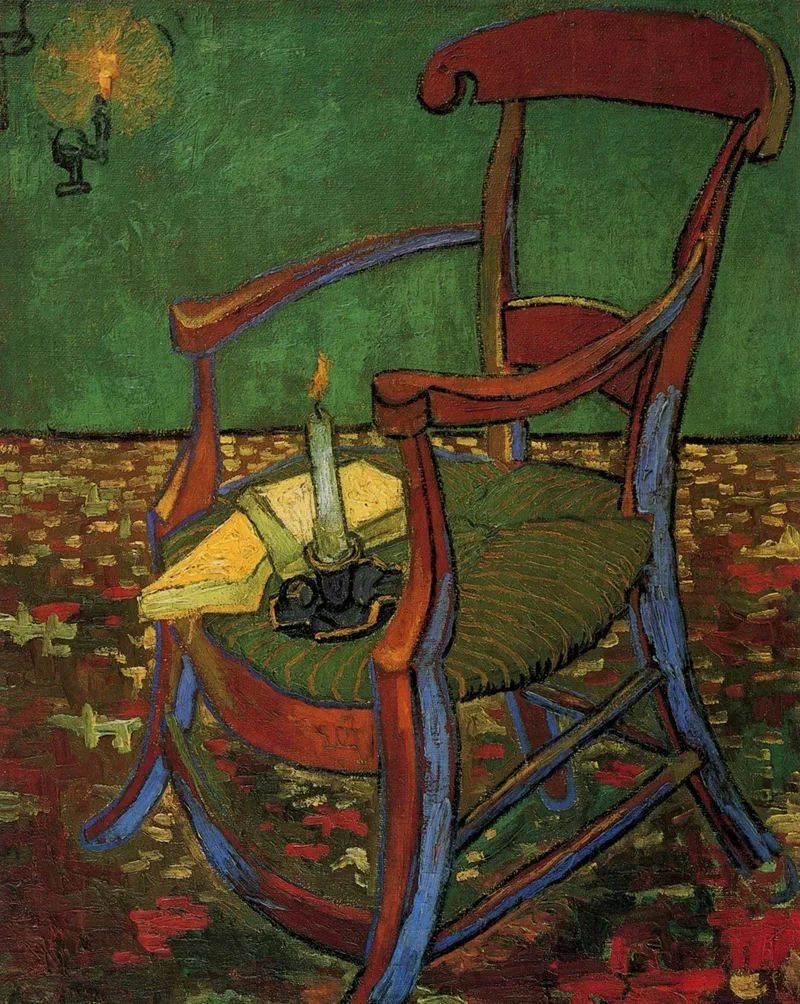
Best for: readers who love a good story about two strong personalities. From October to December 1888, Van Gogh and Paul Gauguin lived under one roof in Arles. [4] Gayford's book tells the story of those weeks, up to the act of violence Van Gogh committed on himself and Gauguin's departure without a goodbye. [4] The Penguin paperback runs to 384 pages, in an edition dated July 2024. [4]
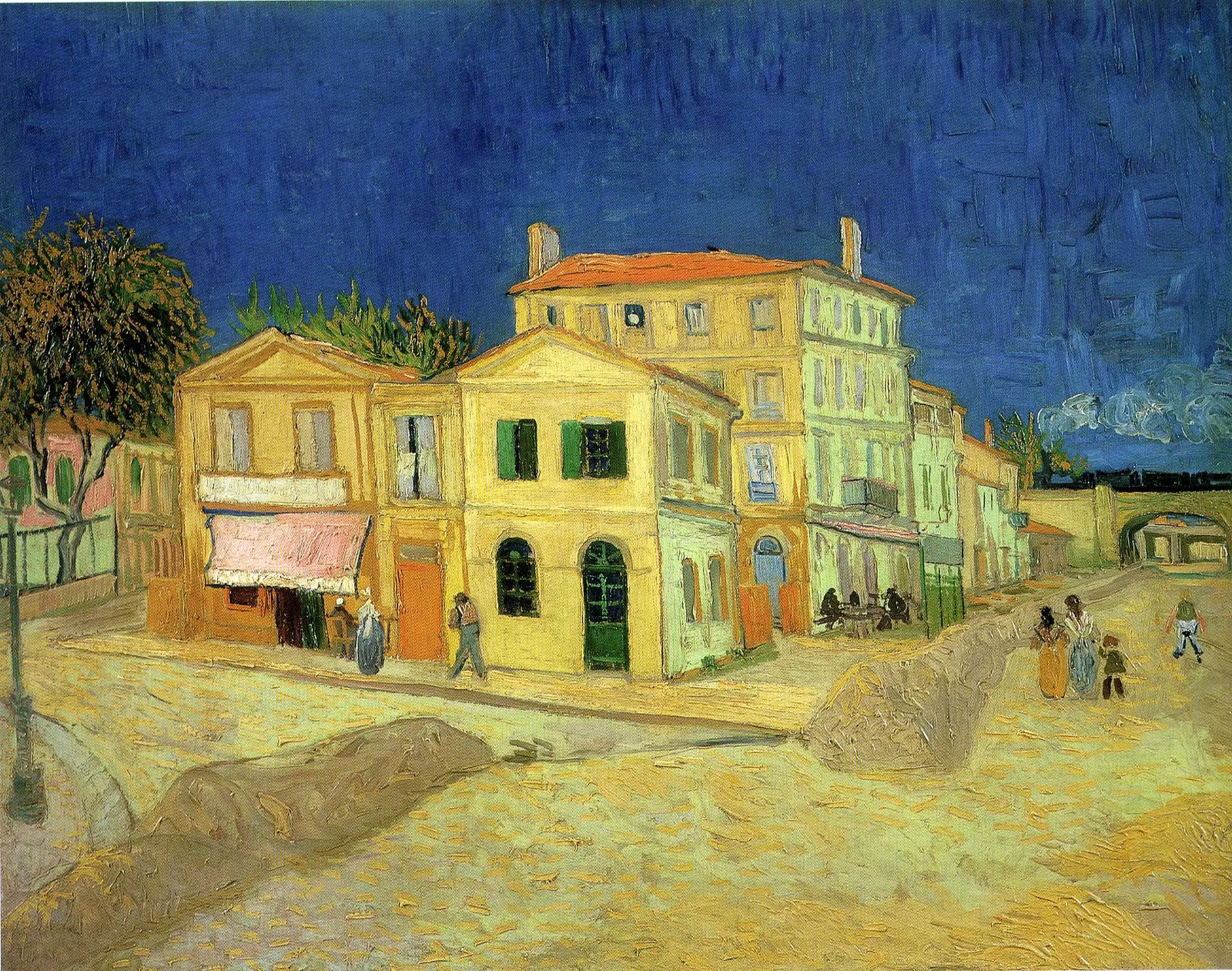
It is a vivid way into his months in Arles. Keep the paintings open beside it: the house itself, and the empty chair Van Gogh painted for his absent friend. For the night itself see why Van Gogh cut off his ear.
Hand-painted in oilFrom $350See sizes

Hand-painted in oilFrom $350See sizes
6. On the Verge of Insanity: Van Gogh and His Illness (2016)
Best for: readers who want the calm version of the ear and illness story. So much sensational material has been written about the ear and his early death that a calm, careful book is a relief. This catalogue by Nienke Bakker, Louis van Tilborgh and Laura Prins accompanied the Van Gogh Museum exhibition that examined his health in a serious yet accessible way. [5]
Bailey's point is worth remembering when you choose: much of the most interesting new writing on Van Gogh now appears in exhibition catalogues. [5]

.jpg)
7. Van Gogh & Japan (2018)
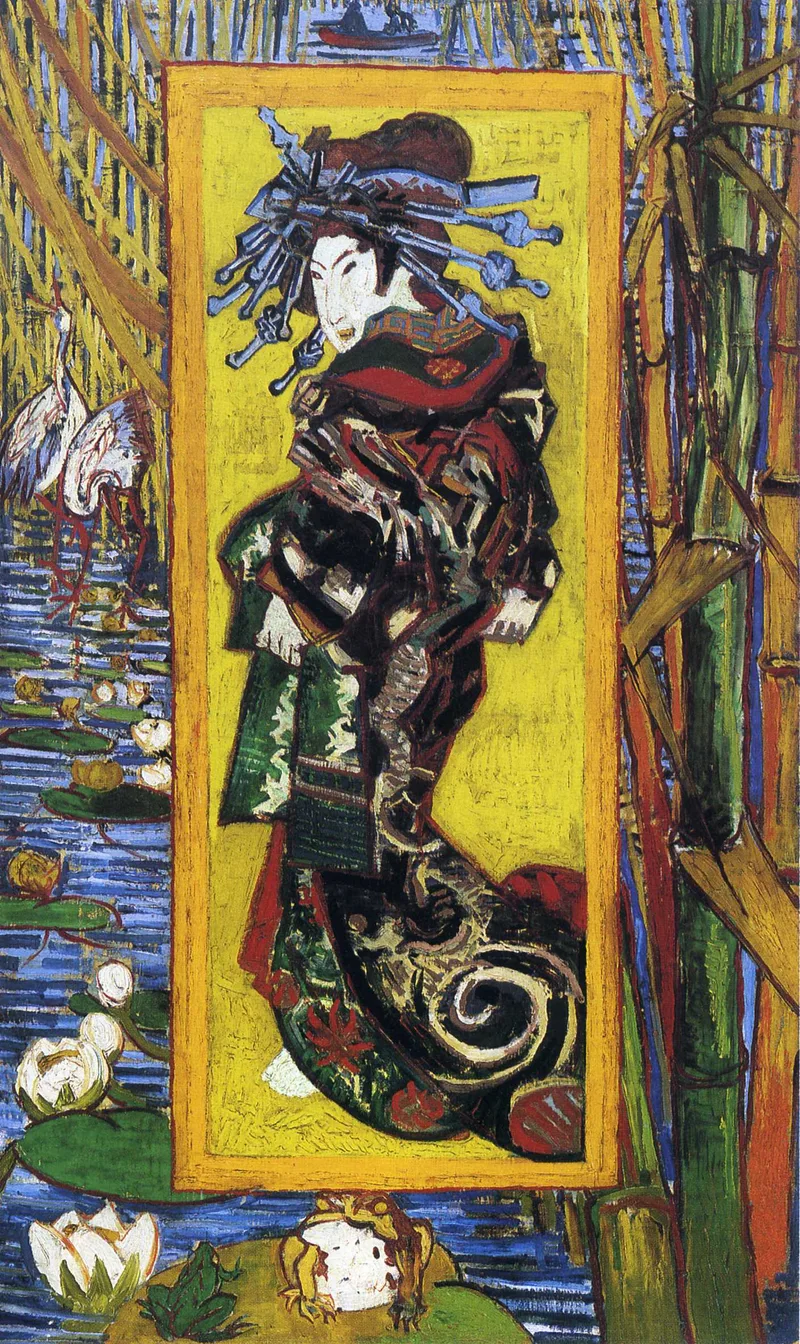
Best for: readers who love art history and a good picture book. Another Van Gogh Museum catalogue, this one by Louis van Tilborgh, Nienke Bakker, Cornelia Homburg, Tsukasa Kōdera and Chris Uhlenbeck. It looks at how Japanese prints changed his work, and it is a visual treat. [5] It also tells the other half of the story: the Japanese became great lovers of Van Gogh as early as the 1920s. [5]
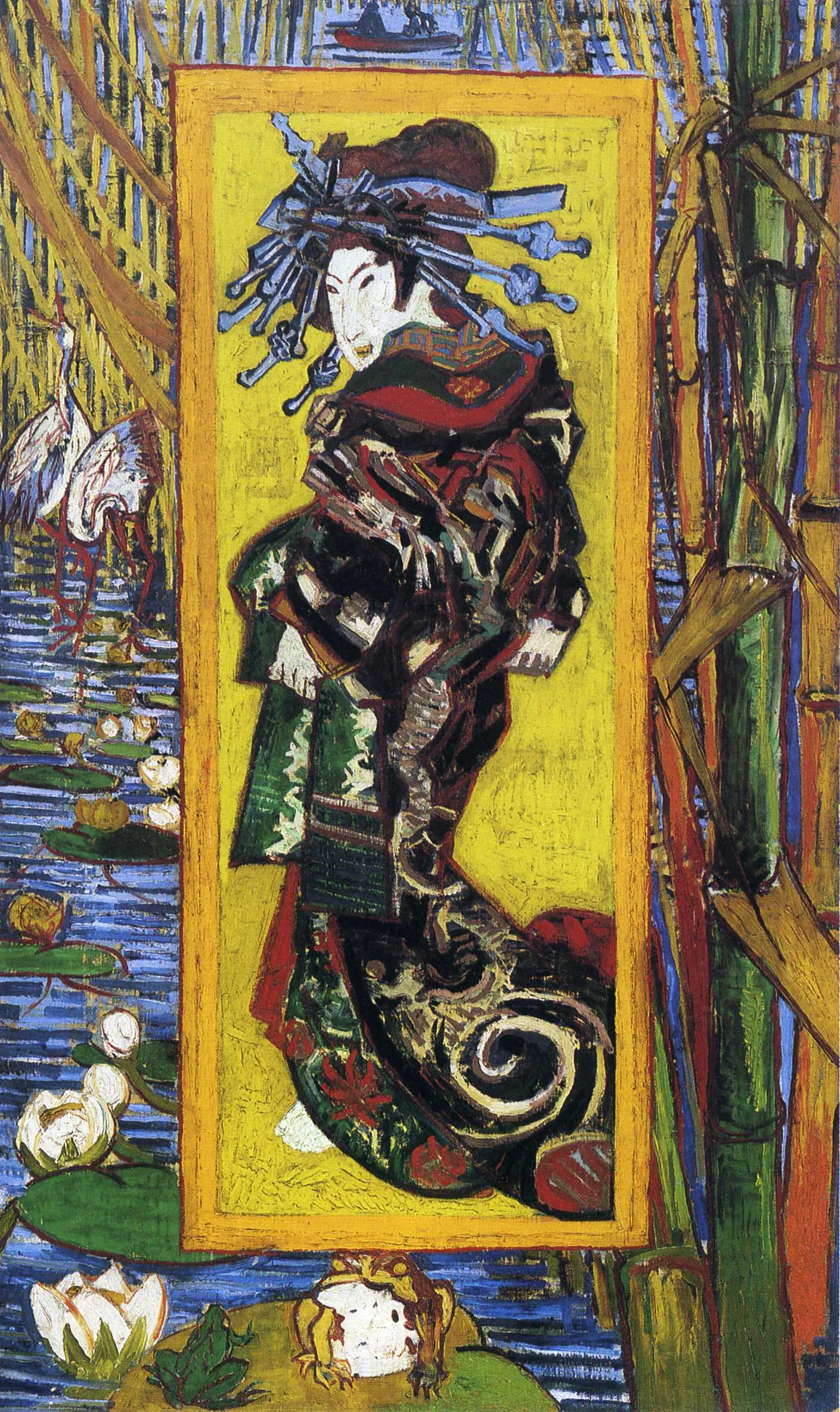
Pair it with our page on Japonism in Van Gogh's art and you will start spotting flat color and bold outlines everywhere. Below are three of his own paintings after Japanese prints, made in Paris in 1887.
Hand-painted in oilFrom $350See sizes


8. Van Gogh: The Complete Paintings (Taschen)
Best for: readers who would rather look than read. Ingo F. Walther and Rainer Metzger's hardcover runs to 752 pages and catalogues all 871 of his paintings, with writings and essays. [6] Taschen's page promises everything “from Sunflowers to The Starry Night and Self-Portrait with Bandaged Ear.” [6] Bailey's verdict: great value, best for the images rather than the text, and an earlier smaller-format paperback costs even less. [5]
Use it the way you would use a museum: browse every artwork on this site, then go deeper with our list of famous Van Gogh paintings and where to see them.

Hand-painted in oilFrom $350See sizes
More good reads, chapter by chapter
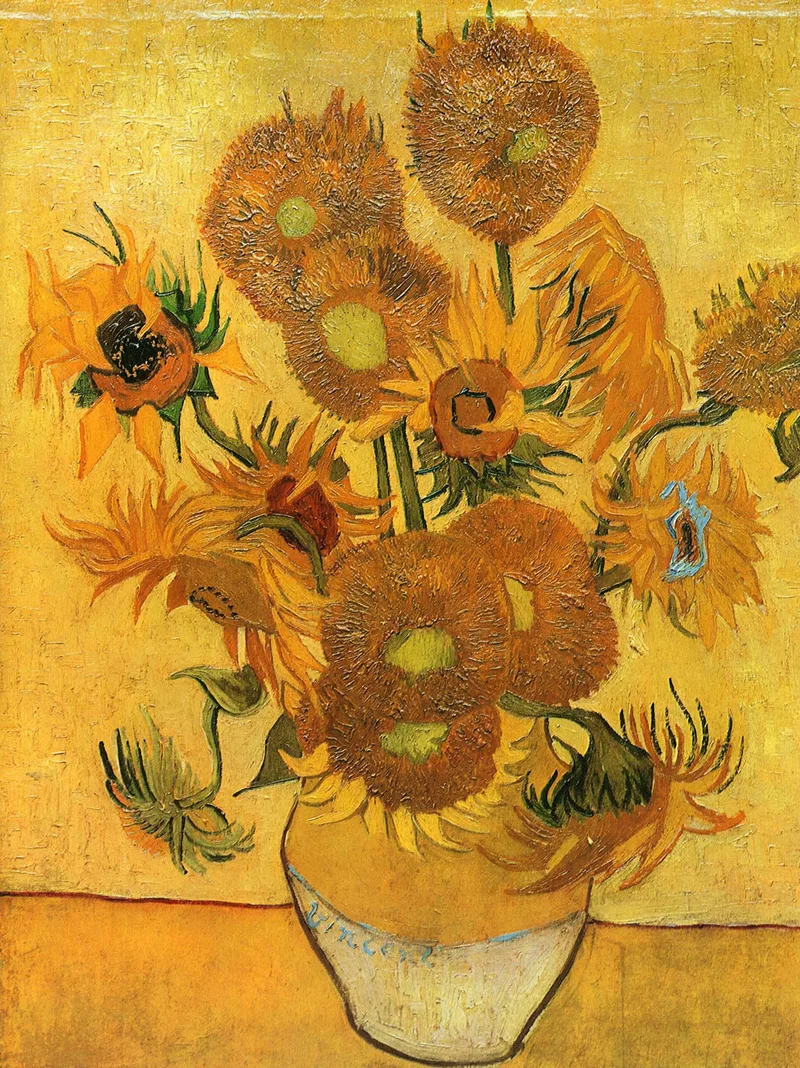
Bailey himself has written several books on Van Gogh's years in France. [8] The Sunflowers Are Mine (2013) suits fans of our Sunflowers versions guide. Starry Night: Van Gogh at the Asylum (2018) takes its title from The Starry Night and stays with the Saint-Rémy year. Van Gogh's Finale (2021) follows Auvers and his rise to fame, and My Friend Van Gogh (2023) gives the first English translation of Émile Bernard's writings about him. [8]
For the very end, Van Gogh in Auvers-sur-Oise: His Final Months (Thames & Hudson, 2023) gathers the work of his last seventy days: no fewer than seventy-four paintings and over thirty drawings before his death on July 29, 1890. [7] Its authors come from the Van Gogh Museum and the Musée d'Orsay. [7] Read it with our page on his last weeks in Auvers.
Which Van Gogh book should you read first?
Want his voice? Get A Life in Letters. Want the whole life? Naifeh and Smith. Want to look more than read? Taschen. Curious how a painter who sold almost nothing became world famous? Luijten's Jo. Drawn to the drama of Arles? Gayford. Tired of ear myths? The illness catalogue. Fascinated by Japanese prints? Van Gogh & Japan. And if you have one free evening, open the online letters and read a few from Arles.
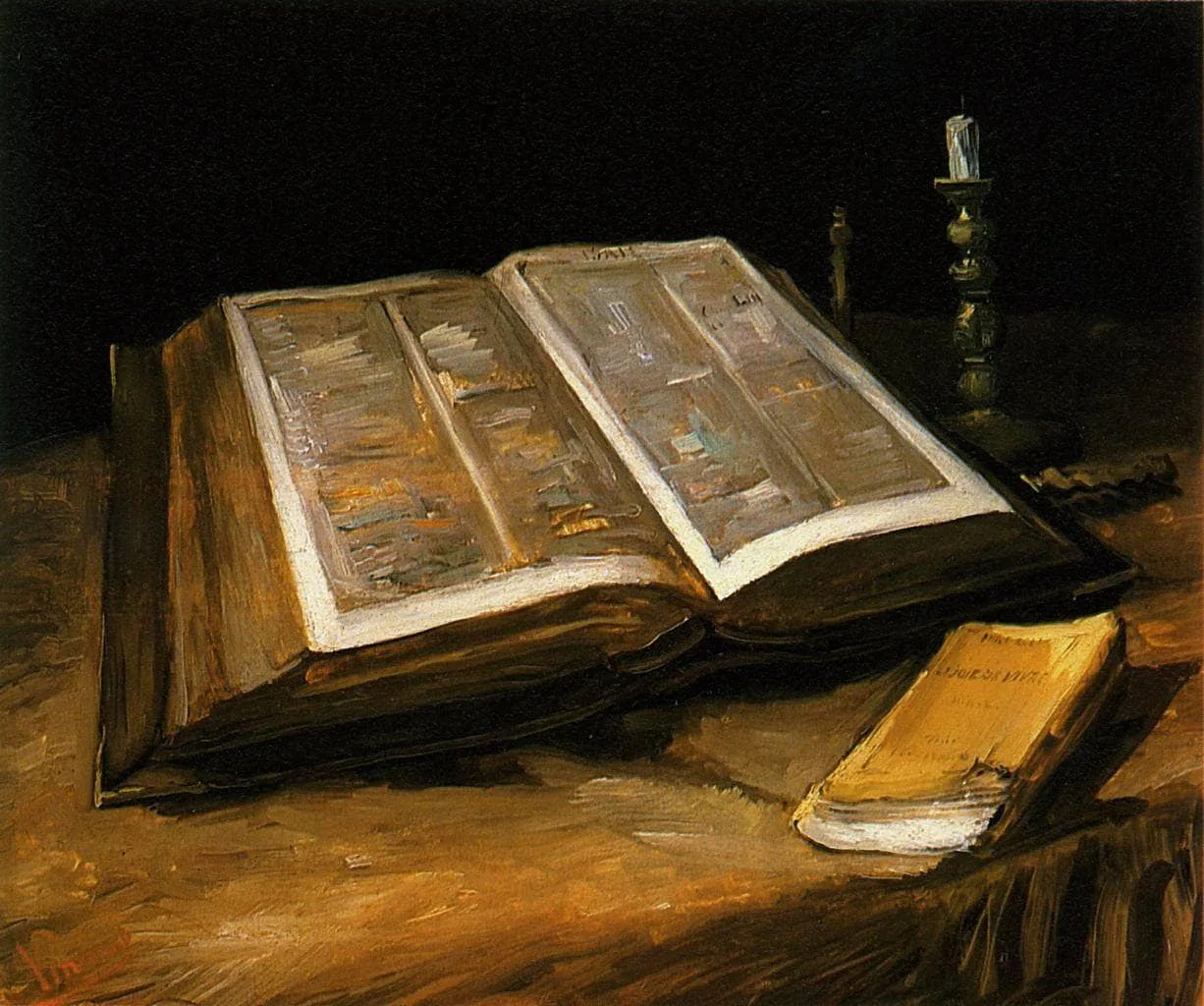
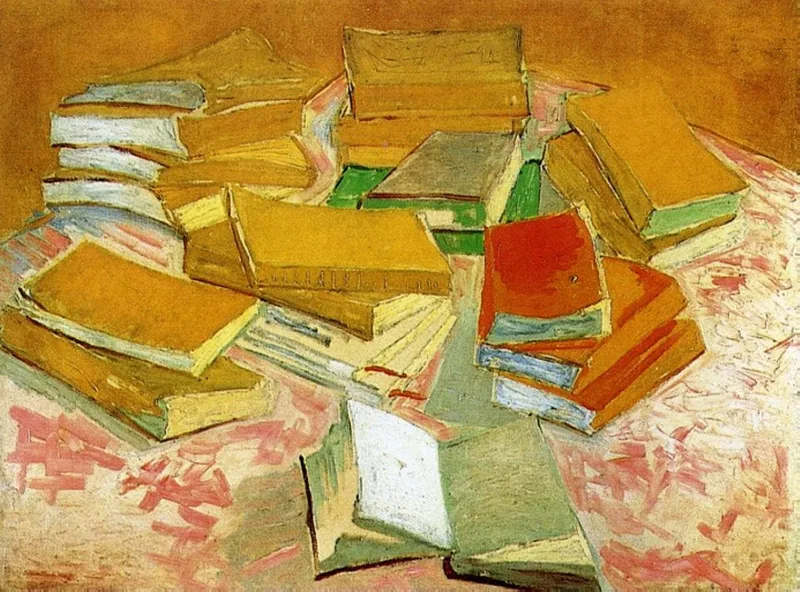
One more thing you will notice once you start: Van Gogh was a big reader himself. The Van Gogh Museum calls him an avid reader and an admirer of novelists such as the Goncourt brothers and Émile Zola. [10] His still life of French novels of 1887 is an ode to modern French literature, and in Still Life with Bible he set his father's Bible beside Zola's La joie de vivre. [10][9]
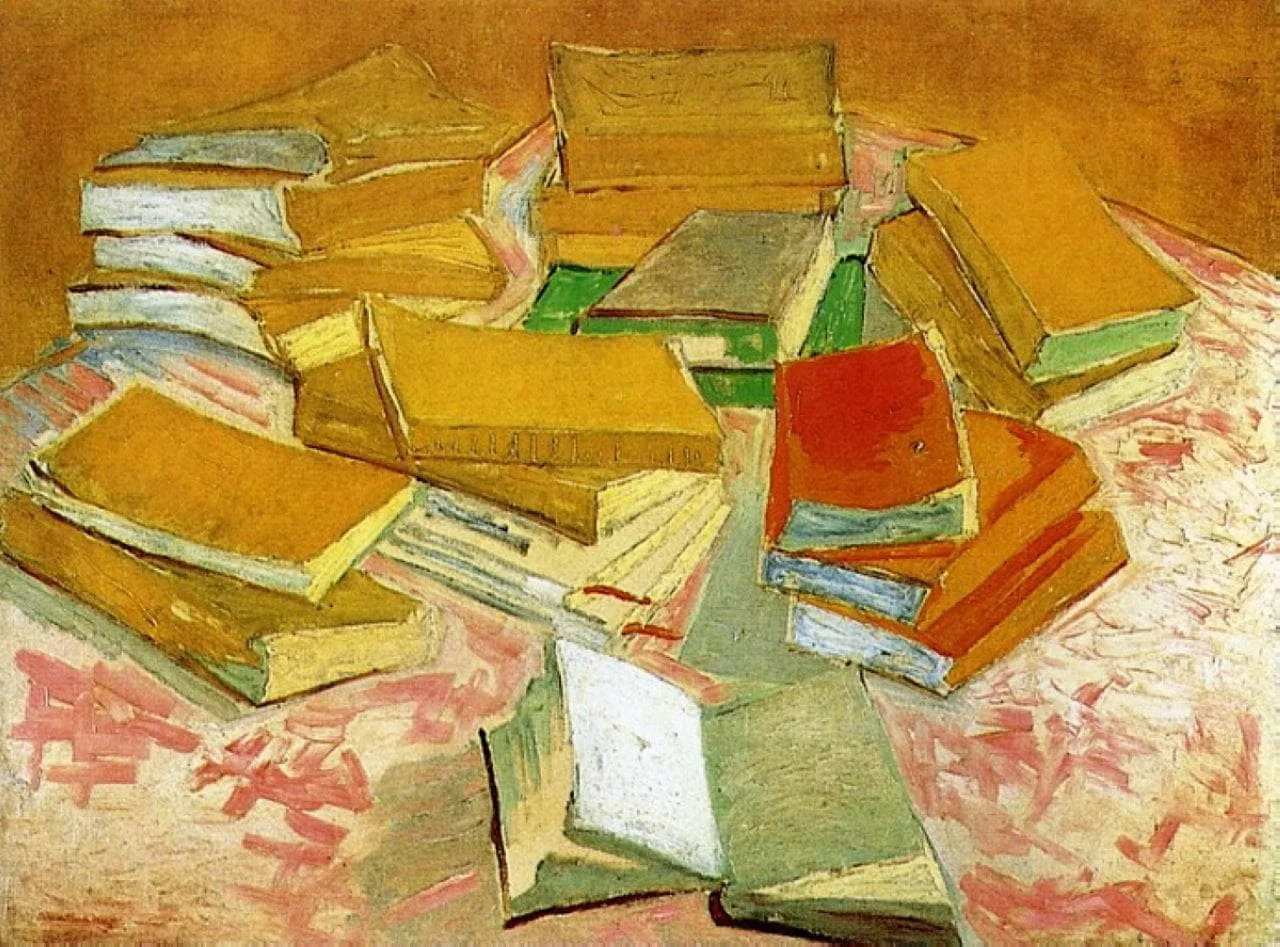
Hand-painted in oilFrom $350See sizes
| Book | Author or editors | Edition | Best for |
|---|---|---|---|
| Vincent van Gogh: The Letters (6 volumes, also online) | Leo Jansen, Hans Luijten, Nienke Bakker | Van Gogh Museum and Huygens ING edition, 2009 [1][5] | The full primary source |
| Vincent van Gogh: A Life in Letters | Nienke Bakker, Leo Jansen, Hans Luijten | Thames & Hudson, 2022 [2] | His voice in one volume |
| Van Gogh: The Life | Steven Naifeh, Gregory White Smith | Ebook 2011; Random House Trade Paperbacks, 2012 [3] | The whole life |
| Jo van Gogh-Bonger: The Woman Who Made Vincent Famous | Hans Luijten | Bloomsbury, 2022 [8] | How he became famous |
| The Yellow House | Martin Gayford | Penguin, 2024 edition [4] | Arles and Gauguin, 1888 |
| On the Verge of Insanity: Van Gogh and His Illness | Nienke Bakker, Louis van Tilborgh, Laura Prins | Van Gogh Museum exhibition catalogue, 2016 [5] | His illness, without myths |
| Van Gogh & Japan | Louis van Tilborgh, Nienke Bakker, Cornelia Homburg, Tsukasa Kōdera, Chris Uhlenbeck | Van Gogh Museum exhibition catalogue, 2018 [5] | Japanese prints and his art |
| Van Gogh: The Complete Paintings | Ingo F. Walther, Rainer Metzger | Taschen [6] | Seeing every painting |
Authors, publishers and dates come from the publishers' pages [2][3][4][6], from vangoghletters.org [1] and from The Art Newspaper [5][8].
Questions and answers
What is the best book about Van Gogh?
What is the best biography of Vincent van Gogh?
Is there a book biography of Vincent van Gogh available?
Written and fact-checked by the Vincent van Gogh Paintings editorial desk12 sourcesUpdated
Sources
- Vincent van Gogh, The Letters (vangoghletters.org): home page of the 2009 editionAccessed
- Thames & Hudson: Vincent van Gogh, A Life in LettersAccessed
- Penguin Random House: Van Gogh, The Life, by Steven Naifeh and Gregory White SmithAccessed
- Penguin: The Yellow House, by Martin GayfordAccessed
- The Art Newspaper: An expert's guide to Vincent van Gogh, five must-read books on the Dutch artist (10 September 2020)Accessed
- Taschen: Van Gogh, The Complete PaintingsAccessed
- Thames & Hudson: Van Gogh in Auvers-sur-Oise, His Final MonthsAccessed
- The Art Newspaper: Jo Bonger, the woman who made Van Gogh famous as one of the greatest artists of all time (21 October 2022)Accessed
- Van Gogh Museum collection: Still Life with Bible (s0008V1962)Accessed
- Van Gogh Museum collection: Piles of French Novels (s0021V1962)Accessed
- Van Gogh Museum collection: Almond Blossom (s0176V1962)Accessed
- Van Gogh Museum collection: Wheatfield with Crows (s0149V1962)Accessed
Hand-painted oil reproductions
Paintings in this guide
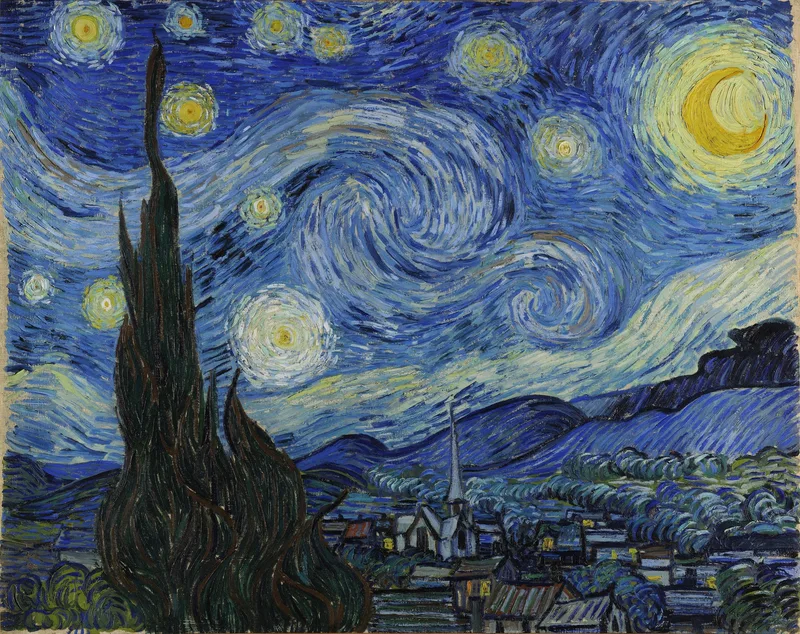 The Starry NightVincent van GoghFrom$350
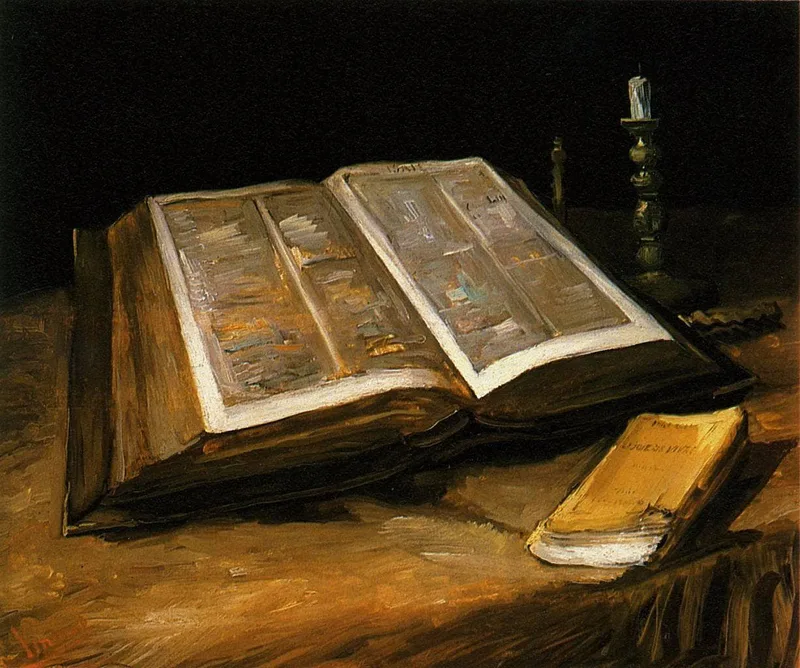 Still Life with BibleVincent van GoghFrom$350
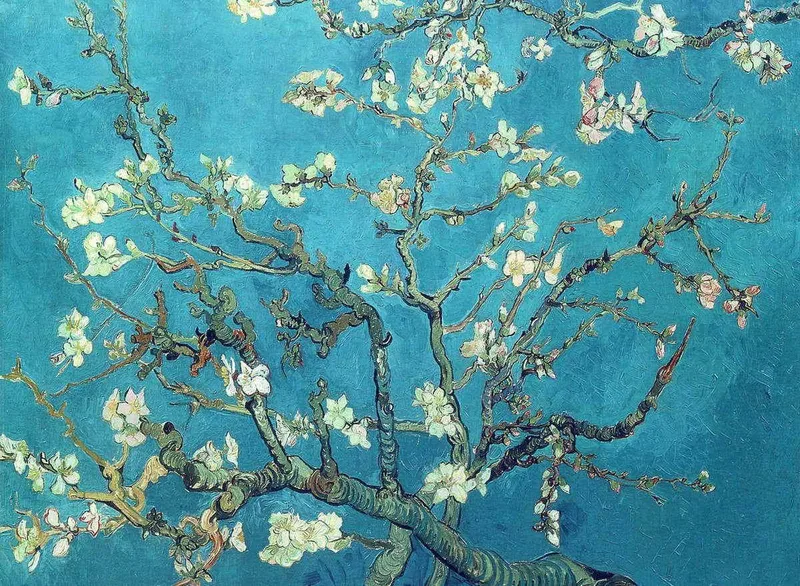 Branches with Almond BlossomVincent van GoghFrom$350
 The Yellow HouseVincent van GoghFrom$350
 Paul Gauguin’s ArmchairVincent van GoghFrom$350
 Japonaiserie Oiran (after Kesai Eisen)Vincent van GoghFrom$350
 Still Life - Vase with Fifteen SunflowersVincent van GoghFrom$350
 Still Life - French NovelsVincent van GoghFrom$350